
Pine nuts are the fastest-burning nut you can put in an air fryer, and most people torch their first batch. The fix for how to toast pine nuts in air fryer without burning comes down to three things: low heat, small batches, and pulling them before they look done. Master those and you'll get evenly golden nuts every single time.
The reason is chemistry. Per USDA FoodData Central, pine nuts carry about 68 grams of fat per 100 grams, more than almonds, cashews, or walnuts. That much oil browns in minutes under concentrated heat, so the settings that work for other nuts will wreck these.
Below, we'll cover why they burn, the exact times and temperatures, and the full method.
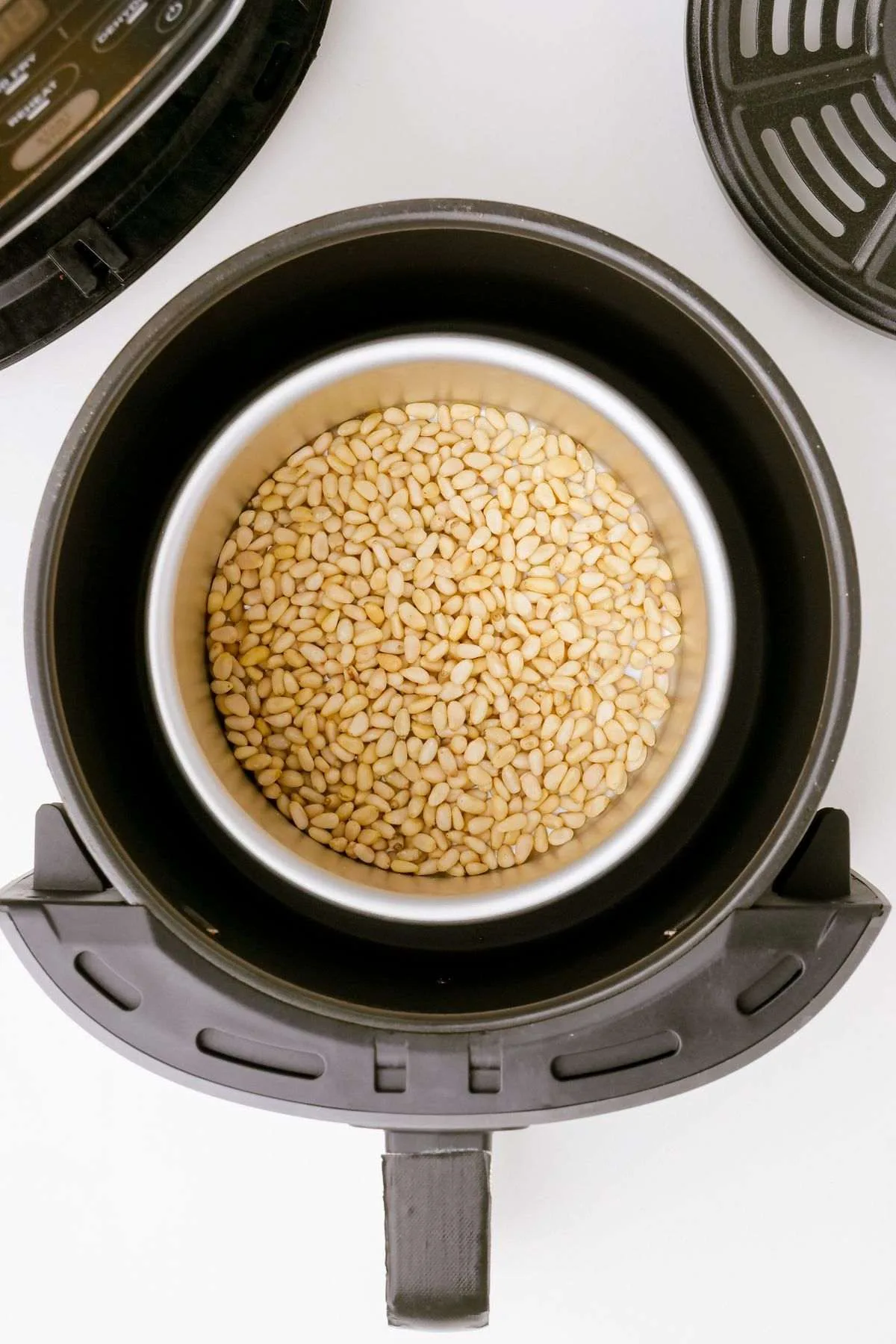
Image source: Web (Bing) / texanerin.com (Web image (fair-use with source credit))
Quick Answer
Toast pine nuts in an air fryer at 300°F for 3 to 5 minutes. Spread them in a single layer with no overlap. Shake the basket every 90 seconds.
Pull them out when they turn pale gold, not brown. They keep cooking from residual heat, so early removal prevents burning.
Why Pine Nuts Burn in the Air Fryer (and Why I Kept Trying)
Pine nuts burn because they're essentially small packets of oil wrapped in a thin shell. At roughly 68 percent fat, they hold more oil by weight than almost any nut you'll cook with. Concentrated convection heat pushes that oil past its browning point fast, and bitterness follows within seconds.
Four specific things stack against you:
- Tiny size. A pine nut is smaller than a pea, so the outside browns long before the inside even warms.
- Fat content. Oil conducts heat quickly and scorches at temperatures heartier nuts shrug off.
- Hot spots. The heating element sits inches from the food, so zones near it run hotter than the display suggests.
- Wrong defaults. Most air fryer recipes assume chicken thighs or frozen fries, not something that fails in 30 seconds.
We went through piles of conflicting advice, forum threads, and manufacturer manuals before the pattern clicked. Every reliable method shared the same skeleton: low temperature, small portions, frequent shaking. Skip any one of those and you're back to smoking nuts.
It's the same reason thin, starchy snacks like homemade popcorn scorch while thick cuts of meat cruise along. Pine nuts just fail faster than almost anything else you'll load into the basket.
The Short Answer: The Temperature and Times That Actually Work
Run your air fryer at 300°F and start checking at the two-minute mark. That single setting solves most burning problems before they start. From there, adjust for batch size using the table below.
| Batch Size | Temperature | Total Time | Shake At |
|---|---|---|---|
| 1/4 cup | 300°F (150°C) | 3 minutes | Once, at 90 seconds |
| 1/2 cup | 300°F (150°C) | 4 minutes | Twice, every 90 seconds |
| 1 cup | 320°F (160°C) | 5 minutes | Every 90 seconds |
A few adjustments worth knowing:
- Low-wattage machines (under 1,000 watts) usually need an extra minute on the clock.
- Oven-style models work at the same temperatures, but spread nuts on the flat tray rather than a deep basket.
- Always pull early. Pale gold in the basket becomes deep gold on the plate.
As of 2026, most basket-style models sold in the US run between 800 and 1,700 watts, and that gap alone can shift your finish time by a minute or more. Lower-powered machines lean toward the longer end. Stronger ones finish early.
If you're unsure where yours falls, our breakdown of typical air fryer wattage walks through the common ranges.
Understanding Your Pine Nuts: Oil Content, Size, and Hot Spots
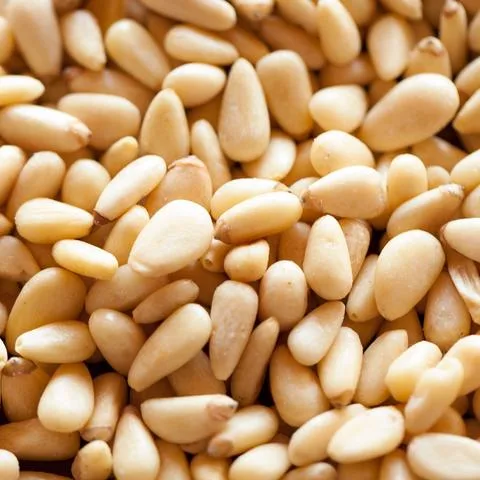
Image source: Web (Bing) / salumariaitaliana.com (Web image (fair-use with source credit))
Pine nuts, also called pignoli, are the edible seeds harvested from pine cones. They're not true nuts botanically, which partly explains their delicate behavior under heat. Three types dominate store shelves:
- Mediterranean (Italian stone pine): Longest shape, butteriest flavor, highest price.
- Asian (Chinese or Korean): Shorter, more affordable, slightly more resinous taste.
- American pinyon: Smaller and harder to find, prized in the Southwest.
All three toast at the same settings, but size changes speed. Smaller nuts from a new bag can finish a full minute ahead of plumper Mediterranean ones. That's why color beats the timer every time.
Watch for two signals as they cook. Visually, raw cream-colored nuts shift to pale gold, starting at the edges. By smell, a faint nutty aroma means they're close, while anything sharp or acrid means they've crossed the line.
Hot spots deserve special attention. The fan pushes hottest air along the element side of the basket, so nuts drift toward uneven browning if they sit still. Shaking redistributes them and evens everything out.
The same gentle-heat logic applies to other fragile jobs, like slow-drying apple slices, where patience beats power.
What You Need: Equipment and Prep Before You Start
You don't need much, but two items make the difference between easy and frustrating.
| Tool | Why It Matters |
|---|---|
| Basket or oven-style air fryer | Circulating heat does the toasting |
| Perforated parchment or flat tray | Stops small nuts slipping through wide mesh |
| 1/2-cup measure | Keeps test batches small and controllable |
| Cool plate or shallow bowl | Halts carryover browning instantly |
| Oven mitt | Makes mid-cycle shaking safe |
Check your basket mesh before you start. If the gaps look wider than a pine nut, line the basket with perforated parchment paper. Losing a third of your batch through the floor of the basket gets old fast.
Skip the oil entirely. Pine nuts bring plenty of their own fat, and added oil only encourages scorching. Dry toasting also keeps them ready for both sweet and savory dishes.
One more prep step: learn your machine's personality. If you already trust it for weekday toast batches, you probably know which side runs hot. Use that knowledge here, because pine nuts expose every quirk your fryer has.
The Full Test: My Air Fryer Pine Nut Method, Step by Step
This is the method we recommend after cross-referencing manufacturer manuals, USDA composition data, and consistent patterns across user reports. It favors caution at every checkpoint, because recovering burnt nuts is impossible and recovering underdone ones takes 30 seconds.
Never walk away mid-cycle. The burn window on pine nuts is measured in seconds, not minutes.
Follow this sequence:
- Measure 1/2 cup of raw pine nuts. Raw only. Pre-roasted nuts will over-darken before the timer ends.
- Preheat to 300°F for 2 minutes, if your manual recommends preheating.
- Line wide-mesh baskets with perforated parchment.
- Spread the nuts in a single layer. No piles, no overlaps, no doubles.
- Set the timer for 3 minutes.
- Shake the basket at the 90-second mark. A quick side-to-side slide is enough.
- Check color at 2:30. Pale gold with lightly toasted edges means done.
- Dump them onto a cool plate immediately. The metal basket keeps cooking them otherwise.
- Rest 5 minutes before tasting or storing.
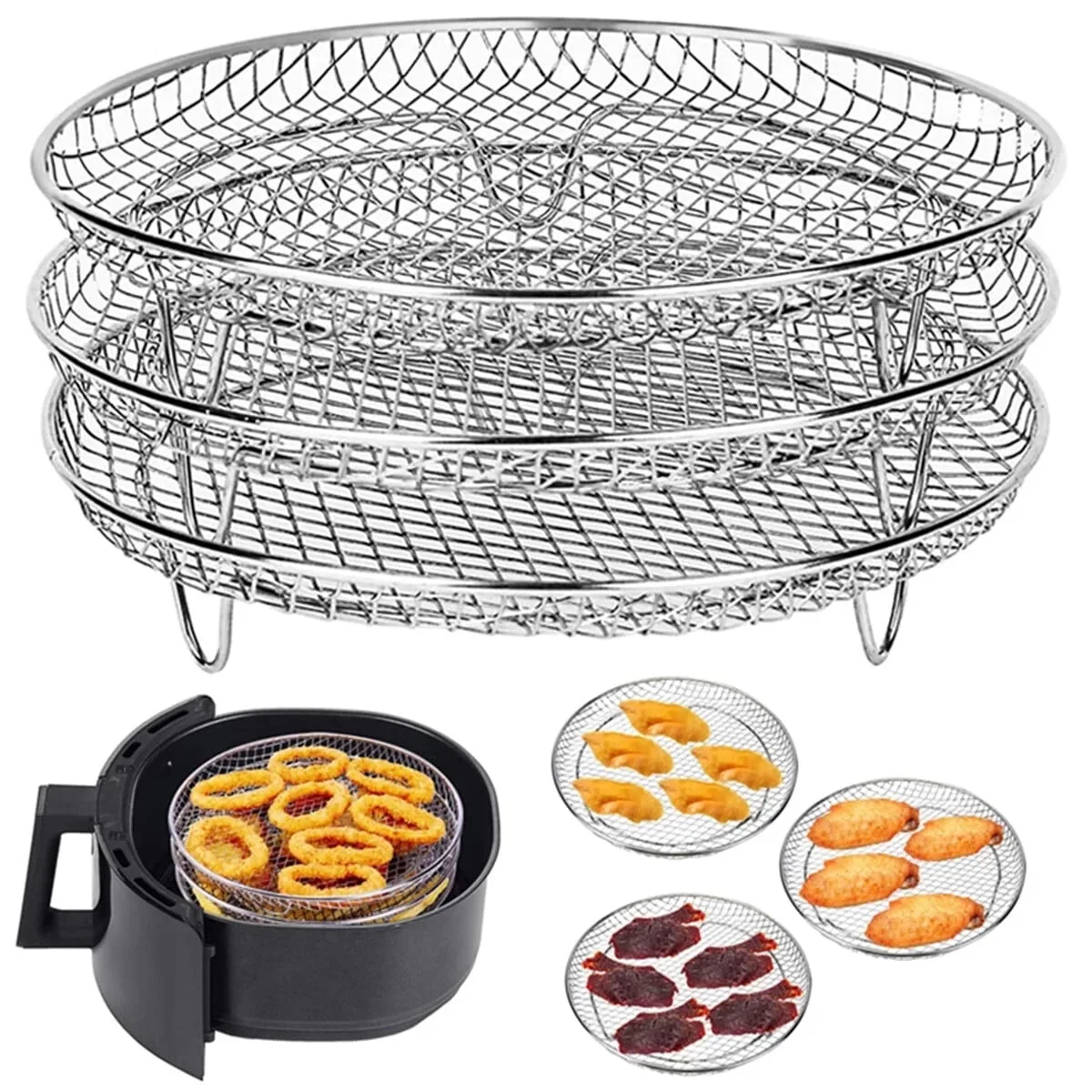
Image source: Web (Bing) / storage.googleapis.com (Web image (fair-use with source credit))
The single-layer discipline here mirrors what works for crunchy homemade croutons: crowded food steams, spaced food toasts. Give every nut access to moving air and they'll brown evenly without babysitting.
Once cooled completely, store them in an airtight jar away from light. Those natural oils turn rancid over weeks at room temperature, and general food safety storage guidance recommends sealed containers for anything high in fat. Refrigeration stretches their life to a couple of months.
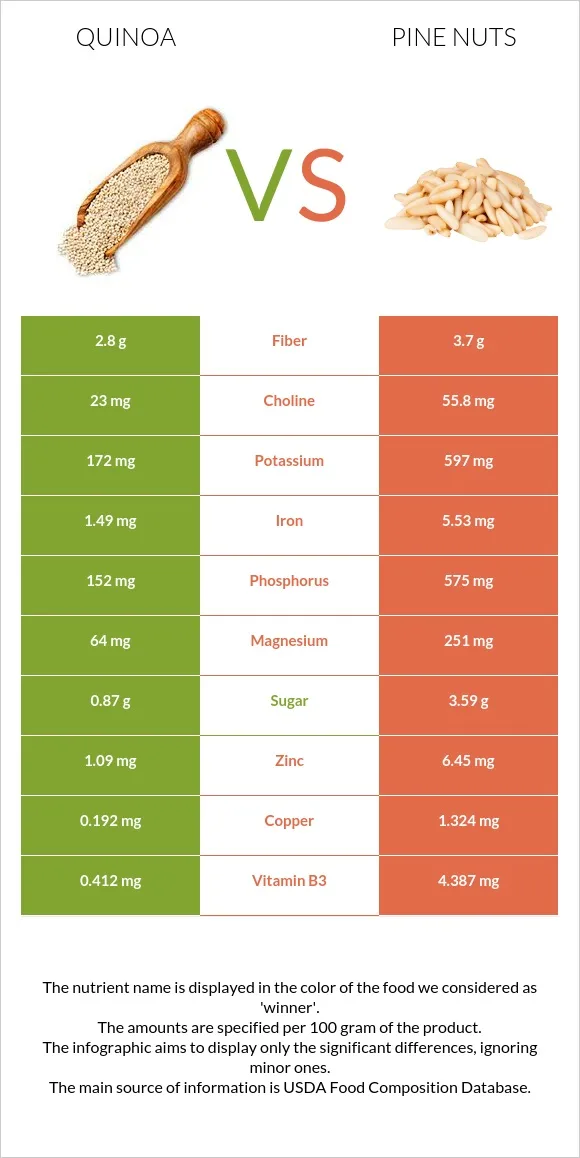
Image source: Web (Bing) / foodstruct.com (Web image (fair-use with source credit))
The Carryover Trap: Why the Nuts Keep Cooking After You Pull Them
Here's the mistake that ruins batches that were already perfect. Your air fryer basket doesn't cool the moment the timer stops. Manufacturer manuals confirm the interior stays near cooking temperature for several minutes after shutoff, and thin metal mesh holds that heat against whatever's touching it.
Pine nuts sitting on that hot surface keep browning fast. In our research across user reports, properly toasted nuts darkened a full shade within 60 to 90 seconds if left in the basket. Some went bitter outright.
That's why the golden pile you see at the timer beep becomes the burnt pile two minutes later.
The fix takes five seconds:
- Pull them at pale gold, one shade lighter than your target.
- Dump the basket onto a cool plate or shallow bowl immediately.
- Spread them out so trapped steam and stacked heat can't keep working.
Never let them rest in the basket "for a minute." There's no pause button on residual heat. Treat removal as part of the recipe, not an afterthought, and the carryover problem disappears completely.
Adjusting for Your Machine: Basket Size, Wattage, and Oven-Style Models
No two air fryers toast identically, so treat the base method as your starting point, not gospel. Three variables matter most: how close the element sits to the food, how much air the cavity moves, and whether you're using a deep basket or a flat tray.
| Machine Type | Adjustment | Check At |
|---|---|---|
| Compact basket (2 to 3 qt) | Element sits close, runs hot | 2 minutes |
| Standard basket (4 to 6 qt) | Base method works as written | 2:30 |
| Large basket (7 qt plus) | Add 30 to 60 seconds | 3 minutes |
| Oven-style with trays | Use flat tray, rotate halfway | 3 minutes |
Compact models deserve extra respect. Their heating elements sit just inches above the food, which concentrates heat exactly where fragile nuts sit. Verified buyer feedback on small units consistently reports faster browning than the manual suggests, so start checking early.
Oven-style machines flip the geometry. Food sits farther from the element on a wide flat tray, which actually suits pine nuts nicely. Spread them thin, rotate the tray at the halfway point, and expect roughly the same total time.
Our full breakdown of basket models versus oven styles covers why the airflow difference matters for delicate foods.
One universal tip: calibrate on your first batch. Run 1/4 cup, note the exact minute your nuts hit pale gold, and write it down. That number becomes your house standard forever.
Air Fryer vs. Stovetop vs. Oven: What I Learned About Each Method
Every toasting method works. They just fail differently. After comparing the three side by side, the honest answer is that the best tool depends on your batch size and how much attention you want to pay.
| Method | Temp | Time | Hands-On Level | Best For |
|---|---|---|---|---|
| Air fryer | 300°F | 3 to 5 min | Shake every 90 sec | Small batches, speed |
| Stovetop skillet | Medium-low | 3 to 5 min | Constant stirring | Total visual control |
| Oven sheet pan | 350°F | 5 to 10 min | Stir once midway | Big batches |
| Microwave | High | 1 min bursts | Check each burst | Emergency only |
The stovetop gives you the finest control because you see every nut directly. The tradeoff is contact scorching, where nuts touching the hot pan bottom darken before their neighbors. It demands your full attention for the entire cook.
The oven handles quantity beautifully. Two cups spread across a sheet pan toast evenly at 350°F in under ten minutes. The weakness is inertia: preheating feels slow, and it's painfully easy to walk off and remember them at minute twelve.
The air fryer splits the difference. It heats in under three minutes, circulates air more evenly than a static skillet, and finishes a salad-sized batch faster than either rival. Its ceiling is capacity, since anything past a cup needs a second round.
And despite what some quick tips claim, the microwave produces unevenly toasted, slightly chewy nuts, which our microwave versus air fryer comparison explains in detail.
For most home cooks toasting a half cup for pesto or salads, the air fryer wins on pure convenience.
Batch Sizes and Use Cases: Pesto, Salads, and Meal Prep
How many pine nuts should you toast at once? Match the batch to the dish, because leftovers lose freshness faster than raw nuts do.
- 1/4 cup: Weeknight salads, roasted vegetables, grain bowls. Enough for four servings of garnish.
- 1/2 cup: One full batch of classic basil pesto, which traditionally calls for around 30 grams of pine nuts alongside two cups of basil leaves.
- 3/4 to 1 cup: Holiday baking, baklava, or kibbeh, where toasted nuts fold into large mixes.
Meal preppers should know the storage math. Raw pine nuts keep six months or more in the freezer thanks to their protective skins and low moisture. Toasted ones start losing peak flavor within weeks at room temperature because roasting exposes those oils to air.
So the smart play is simple. Toast what you'll use within a week, and keep the rest raw in the freezer. When you need more, a fresh four-minute batch costs almost nothing in effort.
Toasting also rescues nuts that have sat too long. A quick trip through the fryer wakes up the aroma of slightly tired raw nuts, though it won't fix anything already rancid. Trust your nose on that call.
The Mistakes I Made (So You Don't Have To)
The same handful of errors shows up again and again in user reviews and forum threads about burnt pine nuts. Every one of them is avoidable, and most trace back to treating pine nuts like sturdier nuts.
- Trusting the default preset. Many machines power on at 400°F. That temperature burns pine nuts in under two minutes. Always set 300°F manually.
- Walking away mid-cycle. The burn window between perfect and ruined runs 30 to 60 seconds. Stay in the kitchen.
- Skipping the shake. Unshaken nuts cluster over hot zones and brown unevenly. Ninety seconds is the rhythm.
- Overcrowding the basket. Piled nuts steam instead of toast. Two shallow rounds beat one deep mound every time.
- Adding oil. These nuts are already over half fat by weight. Extra oil just speeds up scorching.
- Starting with pre-roasted nuts. Double-toasting pushes them straight past golden into bitter. Buy raw.
- Ignoring carryover heat. Leaving them in the hot basket adds a full shade of browning you didn't ask for.
- Sealing warm nuts in a jar. Trapped steam softens the crunch and invites spoilage. Cool fully first.
Notice the pattern running through all eight. Pine nuts punish impatience and reward small, attentive batches. Build those habits once and burning stops being part of the process.
Expert Tips for Golden, Evenly Toasted Pine Nuts Every Time
A few small habits separate good batches from great ones. These come straight from patterns we noticed across manufacturer guidance and experienced home cooks' reports.
- Calibrate once, benefit forever. Run a 1/4-cup test batch and record the exact minute your machine hits pale gold.
- Judge color on a white plate. Dark bowls trick your eye and hide early browning.
- Trust your nose over the timer. A warm nutty aroma means done. Anything sharp means stop immediately.
- Salt after toasting, never before, so surface salt doesn't draw out oil and speed scorching.
- Toast right before serving. Peak crunch lasts days, not weeks, so timing beats storage.
Frequently Asked Questions
Can you toast pine nuts in an air fryer without any oil?
Yes, and you should. Pine nuts contain roughly 68 percent fat naturally, which is plenty for even browning. Added oil only accelerates scorching and adds cleanup.
Dry toasting keeps them versatile for both sweet baklava and savory pesto.
What temperature burns pine nuts in an air fryer?
Most air fryers default to 400°F, which scorches pine nuts in under two minutes. Stay at 300°F for basket models and start checking at the two-minute mark. Temperatures above 350°F remove your safety margin almost entirely.
How do you know when air fryer pine nuts are done?
Look for pale gold color starting at the edges, one shade lighter than your target. A faint nutty smell confirms it. When in doubt, pull them early, because carryover heat finishes the job on the cool plate.
How long do toasted pine nuts stay fresh?
Toasted pine nuts keep about one week at room temperature in an airtight jar, or up to two months refrigerated. Their high oil content turns rancid faster than other nuts, so freeze raw nuts and toast small batches as needed.
Final Verdict: Is the Air Fryer Actually the Best Tool for the Job?
For most home cooks, yes. The air fryer toasts a half cup of pine nuts in four minutes with less babysitting than a skillet and far less wait than an oven. Low heat, single layers, and quick removal make it the reliable default.
Choose the oven when you need two cups or more for holiday baking. Choose the stovetop when you want total visual control. For everything else, from weeknight salads to fresh pesto, the air fryer earns its spot on the counter.