
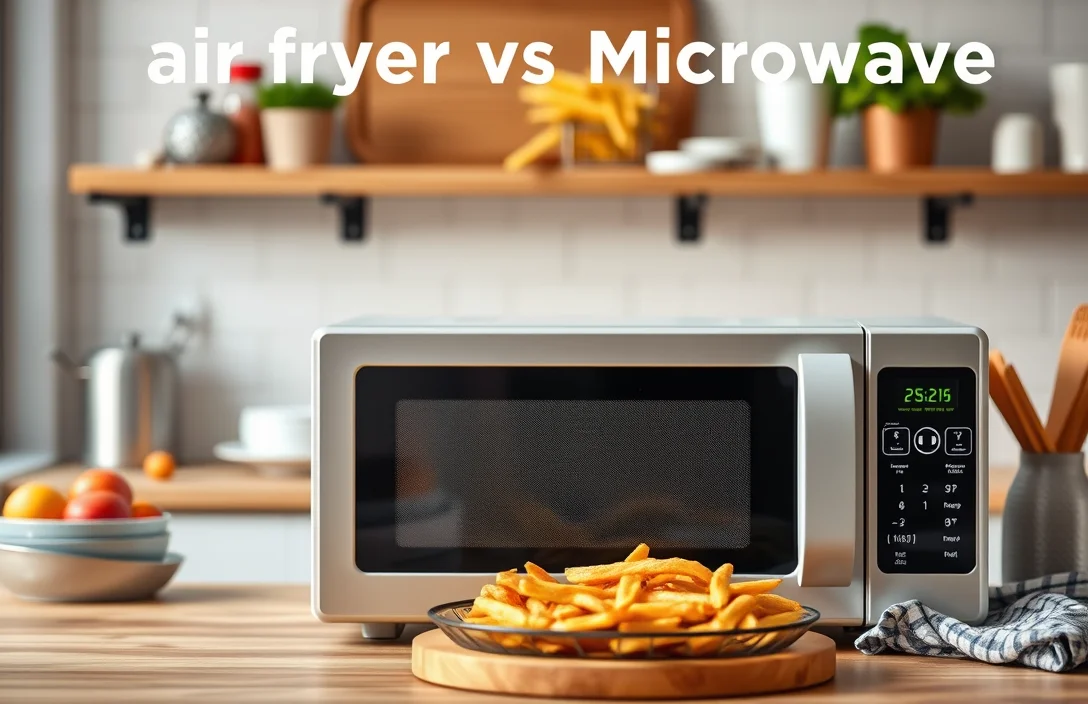
There’s something undeniably satisfying about a crispy, golden-brown dish that delivers on flavor without the fuss. Weeknight dinners transform into delightful feasts when you can whip up perfectly cooked meals in minutes, whether it’s crispy Brussels sprouts, juicy wings, or a luscious chocolate lava cake. You’ll find yourself craving these easy-to-make delights!
Get ready for a culinary showdown: Air Fryer vs Microwave. Discover the total time for each recipe, the difficulty level, and servings that make these appliances shine in your kitchen.
| Prep Time | Cook Time | Total Time | Servings | Difficulty |
|---|---|---|---|---|
| 10 minutes | 15-25 minutes | 25-35 minutes | 4 | Easy |
Air Frying Explained
Understanding air frying is essential for anyone considering the best cooking methods for their meals. This section will define air frying, explain how it works, and highlight its unique features and benefits compared to other cooking appliances, especially microwaves.
How Air Fryers Work
Air fryers use a combination of convection heat and rapid air circulation to cook food, creating a crispy outer layer similar to frying but with significantly less oil. Here’s how it works:
- Heat Source: The heating element generates hot air, which is then circulated by a powerful fan.
- Cooking Basket: Food is placed in a perforated basket that allows air to flow freely around it.
- Temperature Control: Most air fryers allow you to set precise temperatures, typically ranging from 180°F (82°C) to 400°F (204°C).
Benefits of Air Frying
Air frying offers several benefits that make it appealing for home cooks:
- Healthier Cooking: Uses up to 75% less oil than traditional frying.
- Versatility: Perfect for a variety of recipes, from crispy fries to baked goods.
- Quick Cooking: Preheating is often unnecessary, and meals can be ready in 10-20 minutes.
- Crispy Texture: Achieves a crunchy exterior without deep frying.
Chef’s tip: For even cooking, avoid overcrowding the basket—this helps achieve that perfect golden brown finish.
| Air Fryer Benefits | Details |
|---|---|
| Oil Usage | 75% less than traditional frying |
| Cooking Time | 10-20 minutes for most recipes |
| Temperature Range | 180°F (82°C) to 400°F (204°C) |
Microwaving Explained
Microwaving is a cooking method that uses electromagnetic radiation to heat food quickly and efficiently. Understanding how microwaves work and their benefits can help you determine when to choose this appliance over others, especially in comparison to air fryers.
How Microwaves Work
Microwaves cook food by emitting waves that excite water molecules within the food. This agitation generates heat, which cooks the food from the inside out. Here’s a brief overview of the process:
- Microwave waves penetrate food items, typically 1-2 inches deep.
- Water molecules vibrate rapidly, creating heat.
- This heat cooks food evenly, often in a matter of minutes.
Benefits of Microwaving
Microwaving offers several advantages that make it a popular choice in many kitchens:
- Speed: Cook or reheat food in a fraction of the time compared to traditional methods. For example, a frozen dinner can be ready in about 5-6 minutes.
- Energy Efficient: Uses less energy than conventional ovens, making it eco-friendly.
- Convenience: Ideal for defrosting, reheating leftovers, or cooking quick meals.
Pro tip: To avoid uneven cooking, stir or rotate food halfway through the cooking time.
| Food Item | Time (minutes) | Temperature (°F) |
|---|---|---|
| Frozen Vegetables | 4-5 | High |
| Microwave Popcorn | 2-3 | High |
| Casserole | 6-8 | Medium |
While microwaving is efficient, it may not achieve the crispy texture that an air fryer can provide. However, it’s perfect for steaming, reheating, and quick cooking for busy schedules.
Side-by-Side Comparison
This section provides a clear comparison of air fryers and microwaves, highlighting their advantages and disadvantages. Understanding these differences can help you choose the right appliance for your cooking needs, whether you’re aiming for crispy textures or quick reheating.
| Feature | Air Fryer | Microwave |
|---|---|---|
| Advantages |
|
|
| Disadvantages |
|
|
Recipe Ideas for Air Fryers
Air fryers are fantastic for achieving crispy textures and delicious flavors without the excess oil. Here are a few tested recipes that highlight the air fryer’s versatility and effectiveness, making them perfect for any home cook looking to elevate their meals.
Crispy Air Fryer Chicken Wings
- 2 pounds chicken wings
- 1 tablespoon baking powder
- 1 teaspoon garlic powder
- 1 teaspoon paprika
- ½ teaspoon salt
- ½ teaspoon black pepper
- 2 tablespoons olive oil
- Pat the chicken wings dry with paper towels to ensure maximum crispiness. This step is crucial!
- In a large bowl, combine baking powder, garlic powder, paprika, salt, and pepper. Add the wings and drizzle olive oil. Toss to coat evenly.
- Preheat the air fryer to 400°F (200°C). Arrange the wings in a single layer in the basket. Cook for 25-30 minutes, shaking the basket halfway through. They should look golden brown and feel crispy to the touch.
Chef’s tip: Let the wings rest for a few minutes after cooking for a perfect crunch.
Vegetable Medley in Air Fryer
- 1 cup bell peppers, diced
- 1 cup zucchini, sliced
- 1 cup broccoli florets
- 2 tablespoons olive oil
- 1 teaspoon Italian seasoning
- Salt and pepper to taste
- In a mixing bowl, combine all the vegetables. Drizzle with olive oil, and sprinkle Italian seasoning, salt, and pepper. Toss to coat.
- Preheat the air fryer to 375°F (190°C). Place the vegetable medley in the basket in a single layer.
- Cook for 15-20 minutes, shaking the basket every 5 minutes. The veggies should be tender and slightly charred.
Air Fryer French Fries
- 2 large russet potatoes
- 1 tablespoon olive oil
- ½ teaspoon salt
- ½ teaspoon garlic powder (optional)
- Wash and peel the potatoes. Cut them into ¼-inch thick strips. Soak them in cold water for 30 minutes, then drain and pat dry.
- In a bowl, toss the potato strips with olive oil, salt, and garlic powder until evenly coated.
- Preheat the air fryer to 400°F (200°C). Arrange the fries in a single layer and cook for 15-20 minutes, shaking halfway through. They should be crispy and golden brown.
Pro tip: Don’t overcrowd the basket, or the fries won’t cook evenly.
| Recipe | Prep Time | Cook Time</th |
|---|---|---|
| Crispy Chicken Wings | 10 minutes | 30 minutes |
| Vegetable Medley |
Recipe Ideas for Microwaves
This section presents three delightful recipes that showcase the versatility of your microwave. These quick and easy dishes are perfect for busy cooks who want delicious meals without the hassle of extensive prep or cooking time.
Microwave Mug Cake
This single-serving dessert is perfect for satisfying your sweet tooth in just a few minutes.
- 4 tablespoons all-purpose flour (30g)
- 4 tablespoons granulated sugar (50g)
- 2 tablespoons unsweetened cocoa powder (15g)
- 1/8 teaspoon baking powder
- 3 tablespoons milk (45ml)
- 2 tablespoons vegetable oil
- 1/4 teaspoon vanilla extract
- In a microwave-safe mug, whisk together the flour, sugar, cocoa powder, and baking powder until well combined. The mixture should be dry and crumbly.
- Add the milk, vegetable oil, and vanilla extract, stirring until you have a smooth batter. Make sure there are no lumps.
- Microwave on high for 1 minute and 30 seconds. The cake should rise and look set in the center. Allow it to cool for a minute before enjoying!
Chef’s tip: For a richer flavor, add a tablespoon of chocolate chips before microwaving.
Steamed Broccoli in Microwave
This method makes perfectly tender-crisp broccoli in just a few minutes.
- 2 cups broccoli florets (about 150g)
- 2 tablespoons water
- Salt and pepper to taste
- Place the broccoli florets in a microwave-safe bowl and add the water. Cover the bowl with a microwave-safe lid or plate, leaving a small vent for steam to escape.
- Microwave on high for 3 minutes. The broccoli should be bright green and tender but still firm. If it’s not tender enough, microwave in 30-second intervals.
- Season with salt and pepper before serving. The broccoli should smell fresh and vibrant!
Microwave Mac and Cheese
This creamy mac and cheese is a comforting classic made in minutes.
- 1/2 cup elbow macaroni (50g)
- 1/2 cup water (120ml)
- 1/2 cup shredded cheddar cheese (60g)
- 1 tablespoon butter
- Salt and pepper to taste
- In a microwave-safe bowl, combine the elbow macaroni and water. Microwave on high for 4 minutes, stirring halfway through. The pasta should be tender and most of the water absorbed.
- Add the butter and cheese to the bowl, stirring until melted and creamy. If it seems dry, add a splash more water.
- Season with salt and pepper to taste. The dish should be gooey and comforting, ready to devour!
| Recipe | Prep Time | Cook Time</th |
|---|---|---|
| Microwave Mug Cake | 5 minutes | 1 minute 30 seconds |
Choosing Between Appliances
Deciding between an air fryer and a microwave can significantly influence the outcome of your dishes. Each appliance has unique strengths that cater to different cooking needs, so understanding these can help you make the best choice for your meals.
-
Type of Dish
When selecting an appliance, consider the type of dish you’re preparing. Air fryers excel at creating crispy textures, making them ideal for dishes like crispy chicken wings or French fries. In contrast, microwaves are fantastic for reheating leftovers or cooking steamed vegetables, where moisture retention is key.
-
Cooking Time Considerations
Evaluate how much time you have. Microwaves cook food quickly, often within minutes, which is perfect for busy weeknights. For example, you can microwave a baked potato in about 5-7 minutes. On the other hand, air fryers usually take longer, around 15-25 minutes for items like frozen chicken tenders, but they offer superior taste and texture.
-
Health Benefits
Health-conscious cooks should consider the benefits of each appliance. Air fryers use significantly less oil—often just 1-2 tablespoons—compared to traditional frying, making them a healthier option for crispy foods. Microwaves, while not as effective for frying, can cook meals without added fats, particularly when steaming or reheating, preserving nutrients in vegetables.
Visual Comparison
This section presents a visual comparison between air fryers and microwaves, highlighting their respective cooking times and the results you can expect from each method. Understanding these differences visually can help you make informed decisions about which appliance to use for your culinary creations.
Infographics of Cooking Times
| Dish | Air Fryer Time | Microwave Time |
|---|---|---|
| Frozen French Fries | 15-20 minutes at 400°F (200°C) | 5-7 minutes |
| Chicken Breast | 25-30 minutes at 375°F (190°C) | 8-10 minutes |
| Vegetable Medley | 10-15 minutes at 375°F (190°C) | 5-8 minutes |
| Pizza (Reheating) | 5-7 minutes at 350°F (175°C) | 2-3 minutes |
Images of Dishes from Each Method
Pro Tip: When using an air fryer, food will have a crispy texture due to the hot air circulation, while microwave dishes may appear softer and less visually appealing but cook faster.
 – Air Fryer French Fries
 – Microwave French Fries
 – Air Fryer Chicken Breast
 – Microwave Chicken Breast
These visuals showcase the differences not just in cooking times but also in the final presentation of dishes made with air fryers versus microwaves, helping you choose the best method for your cooking needs.
Quick Summary
| Prep Time | Cook Time | Total Time | Servings |
|---|---|---|---|
| 5 minutes | 10-20 minutes | 15-25 minutes | 2-4 |
- Choose your appliance: Air fryer for crispy texture, microwave for speed.
- Preheat: Preheat air fryer to 375°F for optimal results.
- Cooking times: Adjust cook times; air fryers cook faster than microwaves.
- Check doneness: Use a food thermometer; target 165°F for meats.
- Shake or stir: Shake air fryer basket halfway through to ensure even cooking.
- Key tip: Avoid overcrowding in the air fryer for best crispiness.
- Key tip: Use microwave-safe dishes to prevent melting or damage.
Frequently Asked Questions
Can I make this ahead of time? How to store and reheat?
You can prepare meals in advance using either an air fryer or microwave. Store them in airtight containers in the refrigerator for up to 3 days, and reheat in the microwave for 1-2 minutes or in the air fryer at 350°F for about 5 minutes until heated through.
What can I substitute for [key ingredient]?
If you’re out of oil for air frying, you can use cooking spray or even broth for a healthier option. For microwave recipes, you can often replace butter with applesauce in a 1:1 ratio for a lighter version.
How do I know when it’s done?
With an air fryer, your food should be golden brown and crispy, typically taking about 10-20 minutes at 375°F, depending on the recipe. In the microwave, ensure the internal temperature reaches at least 165°F using a food thermometer.
Can I freeze this? How long does it last?
You can freeze most meals cooked in an air fryer or microwave for up to 3 months. Just make sure to cool them completely before sealing in freezer-safe bags or containers to prevent freezer burn.
What if I don’t have [specific equipment]?
If you don’t have an air fryer, you can easily adapt recipes for a conventional oven by baking at 400°F for a similar crispy texture. If lacking a microwave, simply reheat on the stovetop over medium heat, stirring occasionally.