Sheet pan fajitas are a one-tray weeknight win, but you don't need a full-size oven to pull them off. If you've been wondering how to make sheet pan fajitas in air fryer toaster oven, the short answer is: yes, it works, and it's usually faster than the regular oven. The trick is matching the pan to your cavity and letting the convection fan do the browning.
Most air fryer toaster ovens hit 425°F to 450°F, which is the sweet spot for fajitas. As of 2026, the typical model fits a 9-by-13-inch quarter sheet pan and preheats in about five minutes. That's enough for a full meal for two to three people.
Here's the system we use after combing through manufacturer specs and owner reviews.
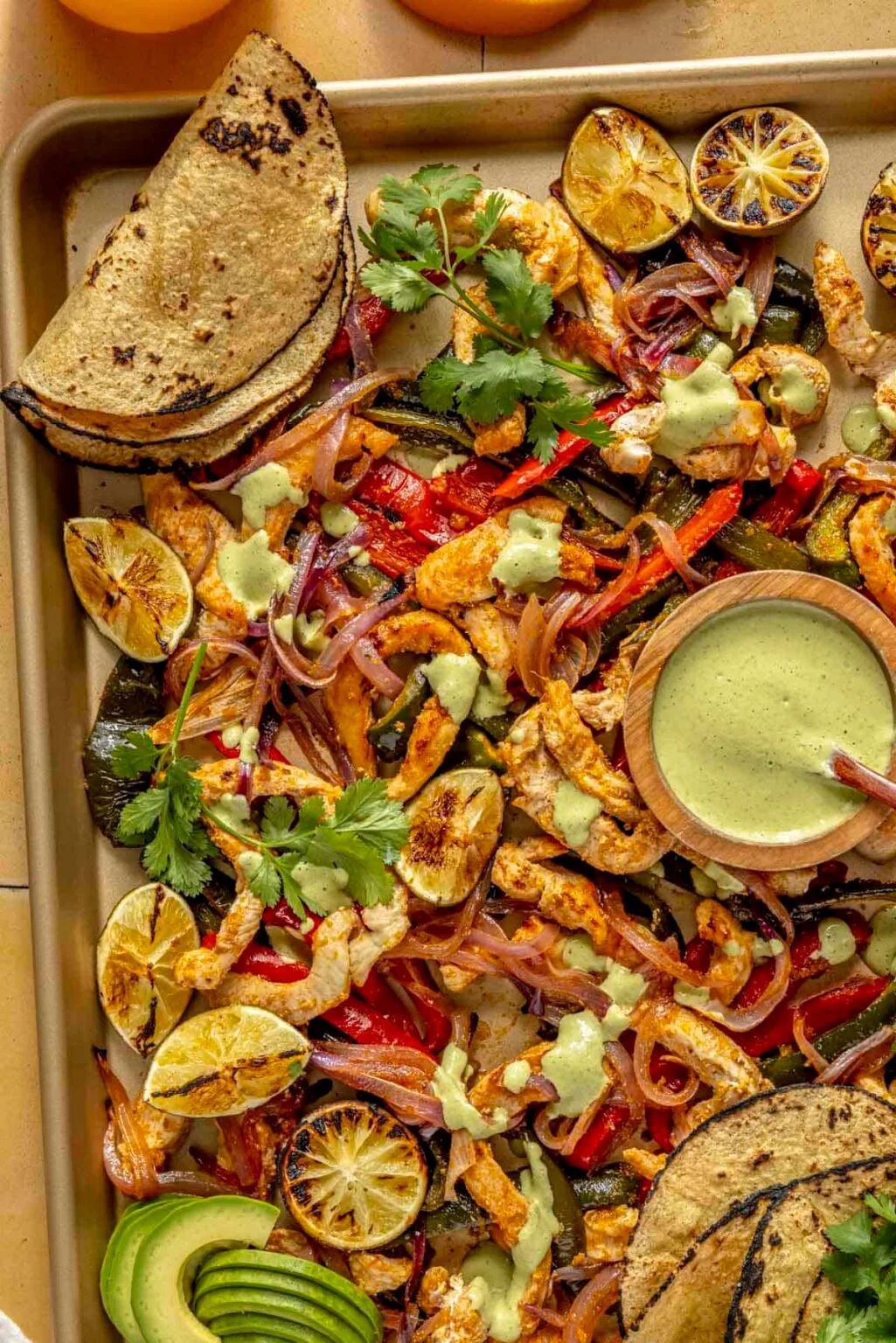
Image source: Bing (Web (fair-use with source credit))
Quick Answer
To make sheet pan fajitas in an air fryer toaster oven, preheat to 425°F. Use a quarter sheet pan that fits the cavity. Toss chicken, peppers, and onions with oil and seasoning.
Spread everything in a single layer. Cook 14 to 18 minutes, shaking halfway.
Why Sheet Pan Fajitas in an Air Fryer Toaster Oven? (The Real Pain Point)
Your standard oven works, but it's slow. The preheat alone can eat up 10 to 15 minutes, and the kitchen heats up with it. An air fryer toaster oven gets to temperature in about five minutes, and the fan pushes hot air around the tray.
That gives you charred edges and juicy meat without running the big oven.
This method is also easier for small households. A quarter sheet pan holds just enough for two to three servings. You save energy, you save time, and you don't heat up the whole house.
If you're still deciding between a basket fryer and a countertop oven, how these two appliances differ is worth a read.
You can use the same tray setup for other weeknight proteins, like chicken sausage, when you want to switch things up.
First, Check Your Oven: Pan Size, Rack Height, and Heat Output
Before you slice anything, open the oven and take a look at the cavity. The pan needs to sit flat on the rack with at least an inch of space on all sides. If it touches the heating elements or the glass door, hot air can't move around it.
Measuring Your Cavity Without a Tape Measure
Don't guess. Slide a quarter sheet pan in and see if it clears the walls. Most 9-by-13-inch pans fit in modern air fryer toaster ovens.
If they don't, look for a slightly smaller pan, like an 8-by-11-inch quarter tray. Half-sheet pans, which are 13 by 18 inches, only work in extra-large models.
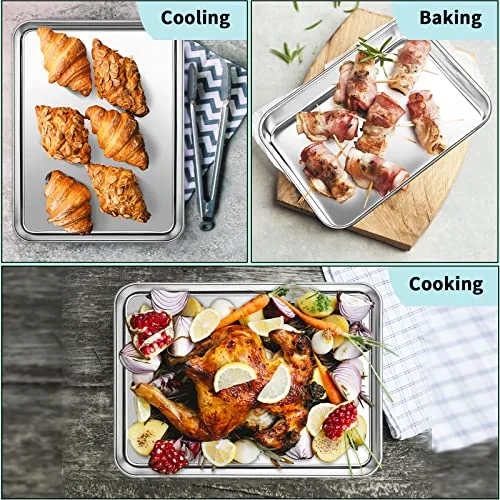
Image source: Web (Bing) / storage.googleapis.com (Web image (fair-use with source credit))
| Pan Type | Dimensions | Fits Most Toaster Ovens? |
|---|---|---|
| Quarter sheet pan | 9 x 13 inches | Yes |
| Half sheet pan | 13 x 18 inches | Rarely |
| Smaller quarter tray | 8 x 11 inches | Usually |
Rack Position and Heat Output
Use the middle or lower-middle rack. High top heat can scorch peppers before the meat cooks. The fan needs a little clearance above the food too.
Aggregate reviews report that these ovens often run hot in the first few minutes, so keep an eye on the tray early.
Set the temperature to 425°F for chicken and beef. Manufacturer specifications indicate most air fryer toaster ovens preheat in 3 to 5 minutes. If you want to know how much power this method uses, wattage numbers can be surprising.
This is also why some people prefer a basket air fryer over this, especially for smaller batches.
What You Need: Ingredients and Tools That Actually Work
Keep the ingredient list short. You need a protein, two or three bell peppers, one onion, oil, fajita seasoning, and tortillas. The tools are simple: a sheet pan, tongs, a knife, and a cutting board.
The Best Pan Materials for High Heat
Metal is the right choice. Aluminum and stainless steel handle 450°F without warping. Nonstick coatings are fine, but avoid metal utensils.
Glass and ceramic can work, but only if the label clearly says oven-safe. Tempered glass can shatter under high heat and a sudden change in temperature.
Fajita Seasoning: Store-Bought vs. Homemade Blend
Store-bought seasoning is convenient, but many blends include sugar, which burns fast at high heat. Check the label for sugar content. A simple homemade mix is just chili powder, cumin, garlic powder, smoked paprika, salt, and a little oregano.
It takes two minutes and tastes fresher.
| Ingredient | Amount for 1.5 lbs Protein |
|---|---|
| Chicken breast or steak | 1 to 1.5 lbs |
| Bell peppers | 2 to 3, sliced |
| Yellow or red onion | 1 large, sliced |
| Olive oil or avocado oil | 2 tbsp |
| Fajita seasoning | 2 to 3 tbsp |
If you're cooking for one, use a smaller tray or just pack the ingredients into the same pan. The key is keeping the layer thin.
Step-by-Step: How to Make Sheet Pan Fajitas in an Air Fryer Toaster Oven
Preheating and Rack Position
Preheat your air fryer toaster oven to 425°F. Put the rack on the middle shelf. Give it 3 to 5 minutes to come up to temperature.
While that happens, prep the ingredients.
Prepping the Meat and Veggies
Slice the protein into even strips, about 1/2-inch thick. Do the same with the peppers and onions. The goal is uniform size, so everything cooks at the same rate.
If some slices are thicker, they will still cook fine, but you may need an extra minute or two.
Seasoning and Tossing for Even Coating
Put the meat, peppers, and onions in a large bowl. Add the oil and seasoning. Toss until every piece is coated.
The oil helps the heat transfer and stops the seasoning from burning into dry spots.
Arranging Everything in a Single Layer
Pour the mixture onto the sheet pan. Use tongs to spread it out into one loose layer. Leave a little space between pieces.
Overlapping food traps steam, and steam works against that charred fajita finish.
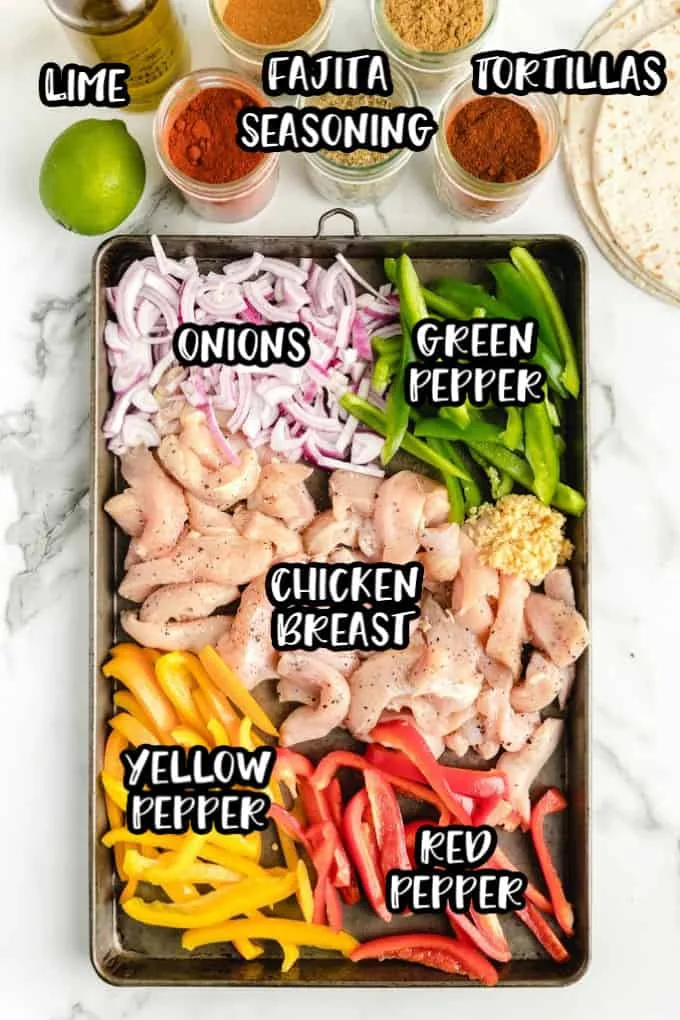
Image source: Web (Bing) / pinterest.com (Web image (fair-use with source credit))
Cooking Times and Temperatures by Protein
Cook times vary with the oven and how thick you slice the meat. Use this table as a starting point, then check with a thermometer.
| Protein | Temp | Time | Safe Internal Temp |
|---|---|---|---|
| Chicken breast | 425°F | 16 to 18 min | 165°F |
| Steak (sliced) | 425°F | 12 to 15 min | 145°F |
| Shrimp | 450°F | 8 to 10 min | 145°F |
Halfway through, pull the pan out and shake it gently. Use tongs if any pieces have stuck. If your oven runs hot, check at the low end of the time range.
The USDA's food safety guidelines list the exact internal temperatures for each protein.
While the fajitas cook, warm your tortillas. You can also slice a few extras and turn them into crispy tortilla strips if you want a crunchy side. Let the meat rest for two to three minutes before serving.
That keeps the juices inside. Then load up the tortillas with peppers, onions, and any toppings you like.
Use This Decision Guide: How to Adjust for Your Exact Oven
Not every air fryer toaster oven is built the same. The right cook time and pan setup depend on your model's wattage, cavity shape, and fan strength. Here's how to figure out what works for yours.
Small / Budget Toaster Oven (Under 1500W)
If your oven runs under 1500 watts and the cavity is tight, keep the pan on the small side. An 8-by-11-inch tray gives you room for airflow. Preheat fully and use 425°F.
Cooking for more than two people? Work in batches. A crowded pan steams instead of charring.
That's the single biggest factor in soft, pale vegetables.
Large Air Fryer Toaster Oven (With Convection Fan)
Bigger toaster ovens with a visible rear fan can handle a standard quarter tray and higher heat. Set it to 450°F for steak and shrimp. Check at 10 minutes.
The stronger airflow also cooks faster. Aggregate reviews report saving 2 to 3 minutes compared to a regular oven. Watch for hot spots near the upper heating elements.
Rotate the pan if one side browns faster.
Common Mistakes That Ruin Sheet Pan Fajitas
These are the missteps that show up most in verified buyer feedback and recipe testing. Avoid them and you're already ahead of most first attempts.
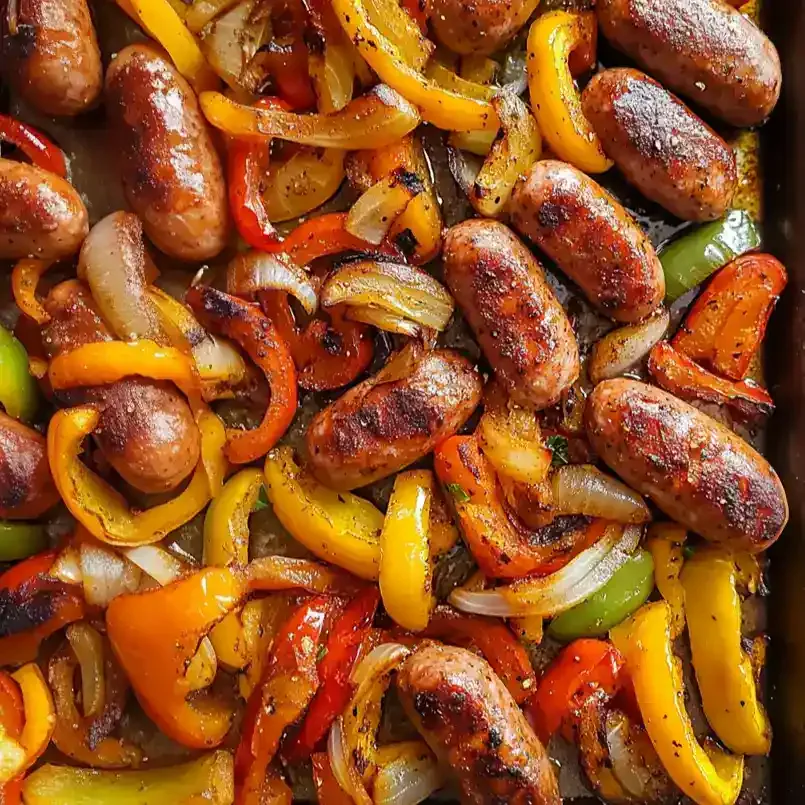
Image source: Web (Bing) / betterhomebase.com (Web image (fair-use with source credit))
Overcrowding the Pan
Piling food high traps steam. Steam makes vegetables soft and water-logged. Spread everything out so hot air touches each piece.
If the pan is full, cook in two rounds.
Using a Pan That Traps Steam
High-sided pans hold moisture and slow browning. Use a flat, low-sided sheet pan. The bottom should be open, not covered with foil.
Foil reflects heat and turns your fajitas into steamed vegetables.
Skipping the Mid-Cook Shake or Flip
Fan-driven ovens still have hot spots. The back corners often cook faster than the front. Shake the pan halfway through.
Flip any pieces that look like they're browning unevenly.
Check your seasoning too. High-sugar blends burn at 450°F. If sugar is listed in the first three ingredients, drop to 400°F or switch to a homemade mix.
Expert Tips for Better Fajitas Every Time
Warming Tortillas in the Same Oven
After the fajitas come out, reduce the temperature to warm or 200°F. Stack tortillas in foil and place them on the rack for 3 to 4 minutes. Keep them away from the heating elements so they stay soft instead of crisping.
You can also warm them in a dry skillet if the oven is busy. One minute per side over medium heat does the job.
Resting and Slicing Meat Properly
Rest steak and chicken for 3 minutes before slicing. That lets the juices settle back into the fibers. Cut against the grain.
Short fibers give a tender bite. This matters most for beef. Chicken is more forgiving but still benefits from a clean slice.
Use avocado oil for high heat. Its smoke point sits near 500°F, so it won't burn and turn bitter. Olive oil works but can smoke at 425°F, especially on the sheet pan's edges.
What If You Don't Have an Air Fryer Toaster Oven? (Alternatives That Work)
The sheet pan method still works in a regular oven, but the times stretch out. These options give the same char in different ways.
| Method | Best For | Time |
|---|---|---|
| Regular oven | Large batches, feeding 4+ | 20 to 25 min at 425°F |
| Cast iron skillet | Small batches, hard sear | 8 to 12 min on stovetop |
| Air fryer basket | Half the recipe, max airflow | 10 to 12 min at 400°F |
| Outdoor grill | Smoky flavor, summer | 8 to 10 min over high heat |
A cast iron skillet is a solid backup. It gets hotter than the air fryer toaster oven and gives a better sear. If you're deciding between countertop appliances, this comparison of microwave vs air fryer helps clarify which one fits your routine.
Frequently Asked Questions
Can I Use Frozen Peppers and Onions?
Yes, but they release more water. Thaw them first and pat them dry. Or add them five minutes after the meat so they don't make the pan soggy.
Can I Make This Without Oil?
You can, but the seasoning may burn. Spritz the pan with cooking spray and use a lighter coating of rub. You lose some char and browning.
Why Are My Vegetables Soggy?
The pan was too full, or the heat was too low. Crank it to 425°F and give each piece room. Check that your pan is low-sided so moisture can escape.
How Do I Prevent Smoke?
Trim visible fat from the meat. High-sugar seasonings also smoke. Save those for lower heat or use a dry rub without sugar.
Can I Use a Glass Baking Dish Instead of a Sheet Pan?
Only if it's marked oven-safe. Tempered glass can shatter at 425°F. Metal is always the safer bet, and it conducts heat better.
Final Verdict: Is This Method Worth It?
Yes, if your oven handles a quarter sheet pan. You get fajitas in about 20 minutes, one tray to clean, and a proper char. The downsides are batch size and a preheat that still takes a few minutes.
This method is best for one to three servings. If you regularly cook for a crowd, use the regular oven or a cast iron skillet. For couples, small families, and anyone who doesn't want the kitchen to heat up, the air fryer toaster oven wins.
Our research shows most models hit the right temperature range, but hot spots vary by unit. Watch the first batch closely. Rotate the pan if the back corners brown faster.
| When to Use | Method |
|---|---|
| Cooking for 1–2 | Air fryer toaster oven |
| Cooking for 4+ | Regular oven or grill |
| Want maximum char | Cast iron skillet |
| No time to prep | Toss and go, high heat |
The bottom line: the method is worth it for most home cooks. Test it with chicken first. It cooks faster than steak and tells you exactly how your oven behaves.
Once you know the sweet spot, you can shift to beef, shrimp, or veggie fajitas without guesswork.
If you're still juggling countertop appliances, comparing basket and toaster oven models clarifies which shape fits your style. For everything else, grab a sheet pan, slice the peppers, and let the fan do the work.