
Considering a dual-zone air fryer but worried it's going to eat up your entire kitchen counter? You're not alone. The allure of cooking two foods at once is strong, but the physical footprint of these appliances is a significant factor for many home cooks.
We've analyzed manufacturer specifications and aggregate user feedback to understand the real-world space requirements. A typical dual-zone air fryer can demand a counter space of around 17-20 inches wide and 15-18 inches deep, a considerable increase compared to their single-basket counterparts. Let's break down whether that space commitment is worth it for you.
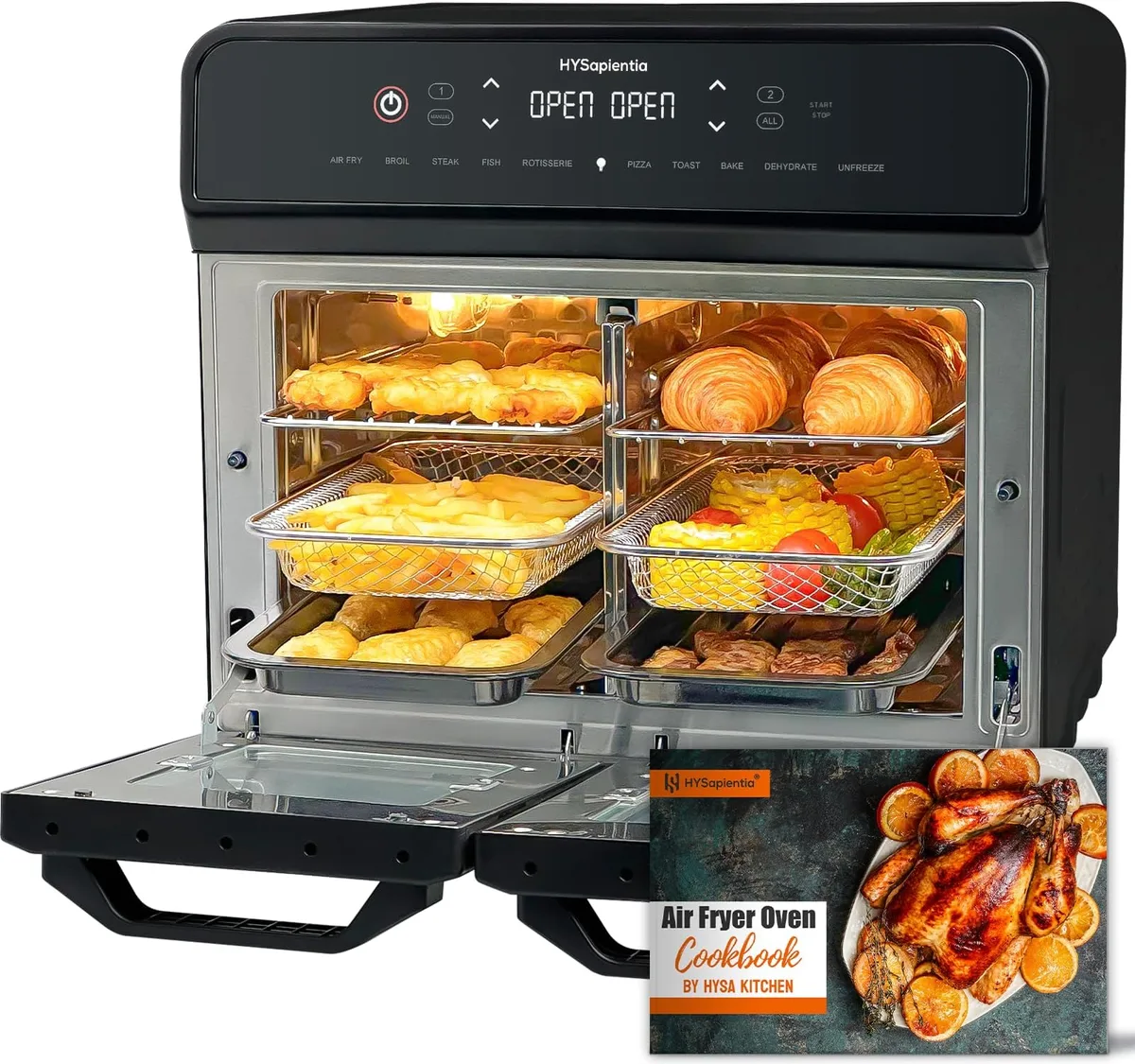
Image source: Bing (Web (fair-use with source credit))
Quick Answer
Dual-zone air fryers take up more space due to their two-basket design. They typically measure 17-20 inches wide, significantly larger than single-basket models. This increased size is necessary for simultaneous cooking of two different foods.
Understanding Dual-Zone Air Fryer Dimensions: What to Expect
When you're looking at a dual-zone air fryer, the first thing that strikes you is its size. These aren't your compact, single-serve machines. They're designed for families and for those who want to cook a main dish and a side simultaneously, and that functionality comes with a larger physical presence.
Manufacturer specifications consistently show dual-zone models are substantially wider than their single-basket cousins. While a single-basket unit might fit comfortably on most counters, a dual-zone requires a more deliberate placement. A common dimension you'll see is around 17 to 20 inches in width.
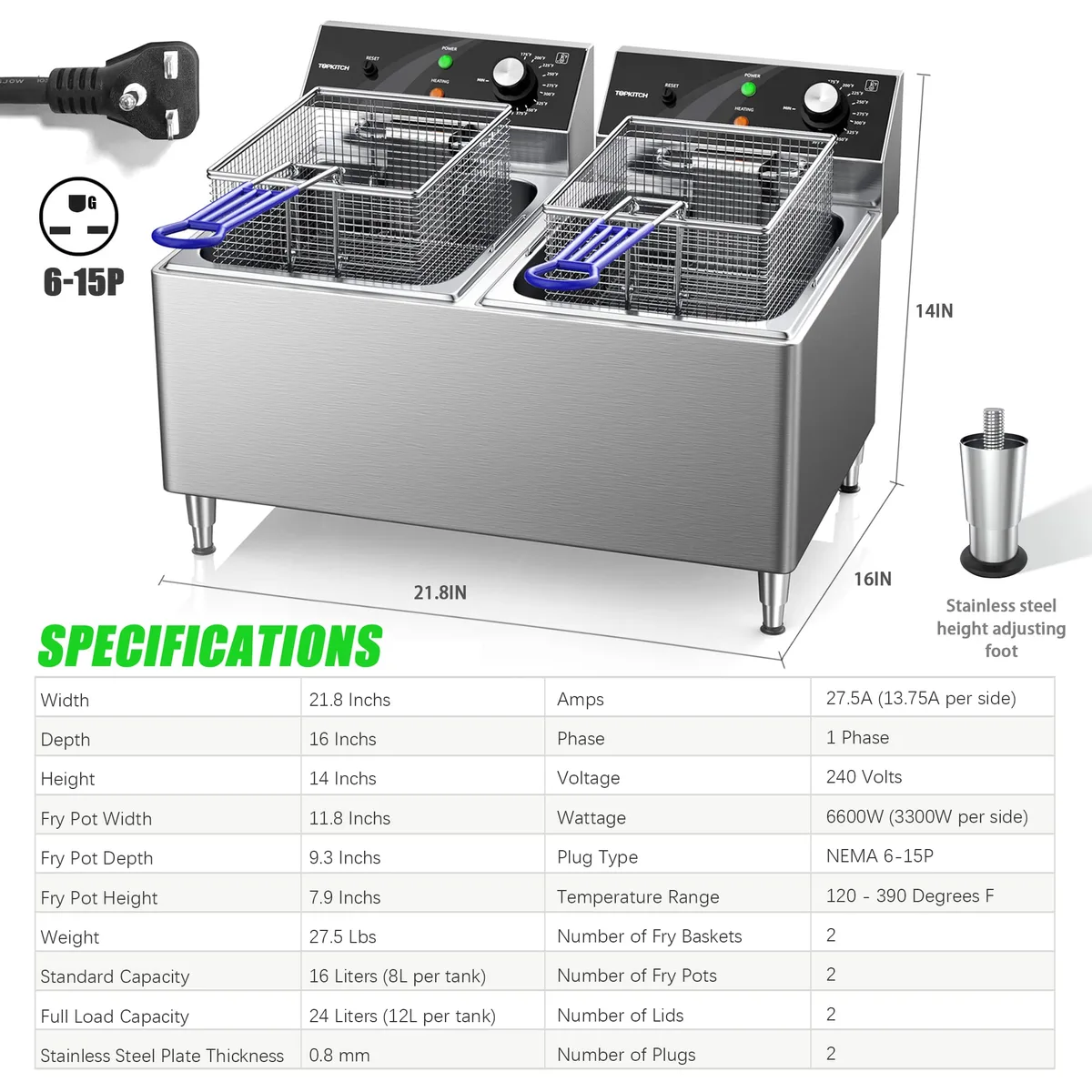
This wider footprint is directly related to the dual basket system. Each basket needs room to slide in and out, and the appliance needs to house both. Depth is also a factor, often ranging from 15 to 18 inches, so ensure you have enough clearance from the backsplash.
Why Space is a Big Deal for Dual-Zone Air Fryers
The "too much space" concern isn't just about aesthetics; it's about practical kitchen usability. A kitchen is a workspace, and having appliances that dominate your countertops can make everyday tasks feel cramped. If your kitchen is on the smaller side, a large dual-zone air fryer can quickly become a dominant, and potentially inconvenient, fixture.
Think about what else needs to live on your counter: a toaster, a coffee maker, maybe a fruit bowl. Add a dual-zone, and you might find yourself with barely enough room to chop vegetables or prep ingredients. This lack of usable surface area impacts workflow and can make cooking feel more like a chore than a joy.
Aggregate reviews often highlight that while the cooking convenience is great, the appliance's physical demand on counter real estate is a significant consideration. It's a trade-off that requires careful thought before making a purchase.
How Big Do They Actually Get? (Measurements Matter)
Let's get specific. When we talk about dual-zone air fryers taking up space, we're talking about dimensions that are noticeably larger than their single-basket counterparts. According to most manufacturer specs, you can expect a dual-zone air fryer to measure anywhere from 17 to 20 inches in width.
The depth often falls between 15 and 18 inches, and heights can range from 12 to 17 inches.
To put that into perspective, a standard single-basket air fryer often measures around 11 to 15 inches wide and 12 to 16 inches deep. That's a difference of several inches in both width and depth, which adds up significantly on a kitchen counter.
- Dual-Zone Width: 17, 20 inches (approx. 43, 51 cm)
- Single-Basket Width: 11, 15 inches (approx. 28, 38 cm)
- Dual-Zone Depth: 15, 18 inches (approx. 38, 46 cm)
- Single-Basket Depth: 12, 16 inches (approx. 30, 41 cm)
These figures are based on data from major manufacturers and are typical for units with capacities around 8 quarts or more, which is common for dual-zone models. Always check the specific product's dimensions before buying.
When Does a Dual-Zone Air Fryer Take Up Too Much Space?
The question of "too much space" is highly personal, depending on your kitchen's layout and your cooking habits. If you have limited counter space, say, less than 3 feet of continuous, unobstructed area, a dual-zone air fryer might feel overwhelming. This is especially true if you also rely on your counter for other frequently used appliances like a coffee maker or a microwave.
Consider your daily workflow. Do you need ample room for meal prep, like chopping vegetables for salads or marinating meats? If your current counter space is already fully utilized for these tasks, adding a large dual-zone appliance could create a bottleneck.
It's a significant appliance that can dominate the visual and functional space of a kitchen.
If storage is also an issue, and the air fryer must live on the counter permanently, its size becomes an even greater consideration. For those with smaller kitchens or a preference for minimalist counter aesthetics, the space demands of a dual-zone could easily tip the scales into "too much."
Weighing the Space Cost Against Dual-Zone Benefits
The decision to get a dual-zone air fryer, despite its larger size, hinges on how much you value its core benefit: cooking two different foods simultaneously. Our research indicates that for many households, this convenience outweighs the sacrificed counter space. Imagine preparing fries in one basket while chicken tenders cook in the other, both ready at the same time.
This can drastically cut down meal preparation time, especially on busy weeknights.
However, this benefit comes at a tangible cost in physical space. If your kitchen is already feeling cramped, adding an appliance that can be 20 inches wide and 18 inches deep might not be practical. It's a trade-off you have to feel comfortable with, evaluating how often you'd truly use both baskets to justify the counter footprint.
- Gain: Faster meals, simultaneous cooking of mains and sides.
- Cost: Significant counter space required, potential for kitchen clutter.
For those who frequently cook for larger families or enjoy preparing multi-component meals, the efficiency gained might be well worth the investment in counter space. But if your cooking is generally simpler or your kitchen is very compact, a single-basket model might be a more suitable option. You can learn more about simpler air fryer tasks, like how to make toast in an air fryer, which often requires less appliance space.
Who Is a Dual-Zone Air Fryer ACTUALLY For (Space-Wise)?
So, who really benefits from the larger footprint of a dual-zone air fryer? If you're cooking for a crowd or juggling multiple dishes for dinner, it’s a serious contender. Families with two or more children, for instance, often find the ability to cook two different items simultaneously a game-changer for getting meals on the table quickly.
Consider also those who entertain regularly. Being able to prep appetizers in one basket while the main course cooks in the other can streamline hosting significantly. If your current air frying routine involves cooking items in batches and keeping them warm, a dual-zone might eliminate that extra step and associated hassle.
Best Scenarios for a Bigger Air Fryer Footprint
The ideal user for a dual-zone air fryer embraces its capacity for multitasking. Think about a parent wanting to make chicken nuggets for the kids and roasted vegetables for themselves at the same time, both ready together. Or imagine preparing how to make tortilla chips in the air fryer as a starter while how to cook turkey bacon in air fryer for breakfast finishes up.
These scenarios highlight where the dual baskets truly shine.
This appliance is also a strong choice if you're looking to consolidate appliances. Some find that a larger dual-zone unit can effectively replace a smaller oven for many tasks, freeing up oven space or even eliminating the need for a second oven in some kitchens. It's about maximizing cooking efficiency where it counts most for your household.
Common Kitchen Mistakes When Choosing a Dual-Zone Air Fryer
One of the biggest missteps people make is not measuring their available counter space before falling in love with a dual-zone model. It's easy to be swayed by the cooking versatility, but if it doesn't physically fit or leaves you with no room to work, that versatility becomes a burden. Always measure your intended spot, accounting for door clearance and ventilation space.
Another error is underestimating how often you'll actually use both baskets. If your typical meals are simple, like just how to make toast in air fryer or single servings of how long to cook frozen salmon in air fryer, the extra basket might go unused. Buying a larger appliance for a feature you rarely employ means you've sacrificed valuable counter space for little gain.
Don't Let the Size Catch You Off Guard
Skipping the measurement step is a classic pitfall. You might think, "It looks about right," but the reality of an appliance sitting on your counter is different from seeing it in a showroom. Ensure you have adequate space not just for the unit itself, but also for safely opening the baskets and allowing air to circulate.
Many manufacturers recommend at least 4 inches of clearance around the appliance.
Overbuying is another common mistake. If you live alone or only cook for one or two people regularly, a dual-zone might be overkill. You could end up with a large appliance that takes up prime real estate, when a smaller, more compact single-basket air fryer would serve your needs just as well.
Comparing Dual-Zone to Single-Basket Air Fryers: Space and Functionality
The fundamental difference boils down to capacity and functionality, directly impacting footprint. A single-basket air fryer, as its name suggests, has one compartment for cooking. This generally results in a more compact design, making it ideal for smaller kitchens or individuals.
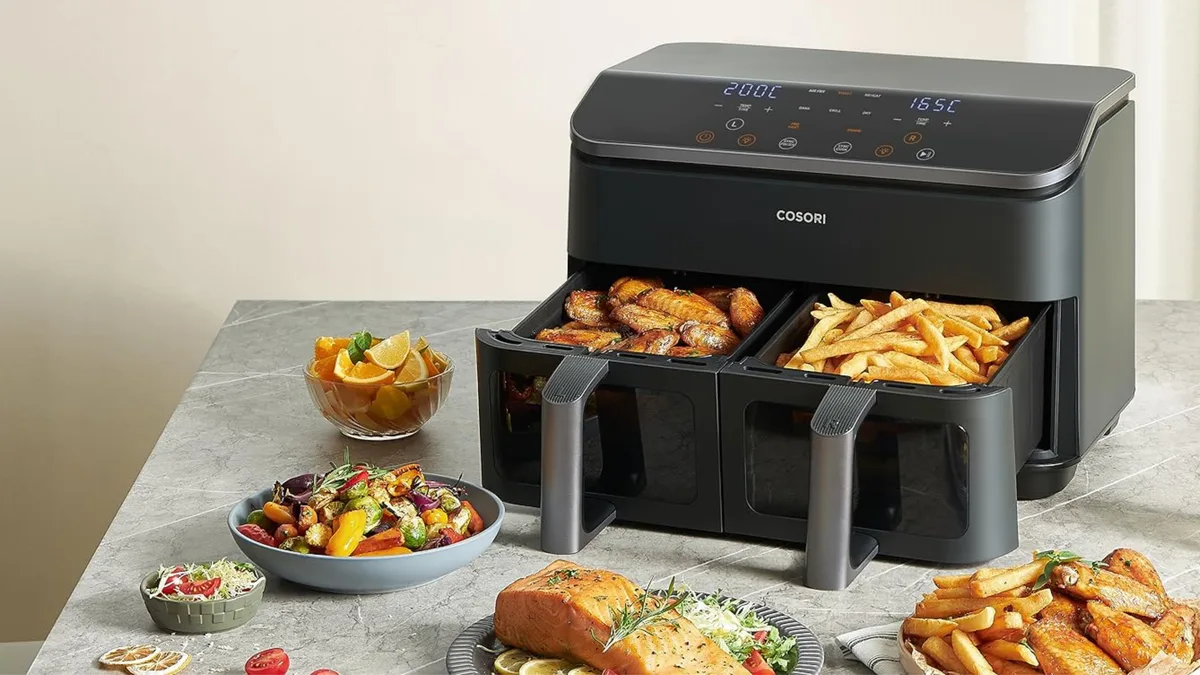
A dual-zone air fryer, however, features two separate baskets. This allows you to cook two different foods at different temperatures and times simultaneously. This increased versatility comes at the cost of a larger unit, as explained by the dimensions previously discussed.
What You Gain and What You Give Up in Size
When you opt for a dual-zone, you gain the ability to cook complementary items together. This can include things like how long to cook sausage patties in air fryer in one basket while you prepare how to make croutons in air fryer in the other. This efficiency boost is the primary draw.
However, you give up counter space. The larger size means less room for other kitchen essentials or prep work. It's a direct trade-off: more cooking options versus a bigger appliance occupying your workspace.
The decision often comes down to whether the convenience of simultaneous cooking outweighs the need for additional counter real estate.
Expert Tips for Making the Space Decision
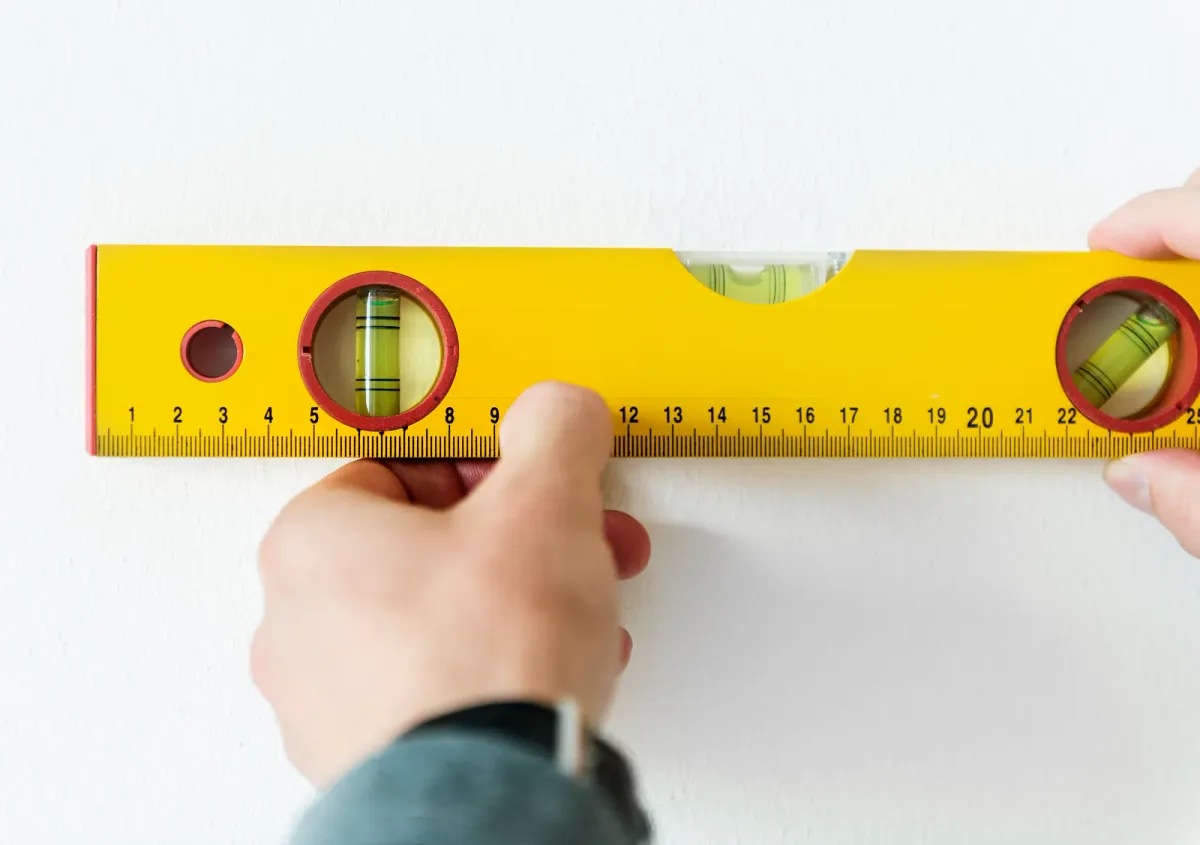
Before you commit to a dual-zone air fryer, do a thorough assessment of your kitchen. Grab a tape measure and physically measure the space where you plan to put it. Don't forget to consider clearance needed for opening drawers and appliance doors, as well as for ventilation.
Think about your typical cooking habits. How many people do you usually cook for? What types of meals do you prepare most often?
If you're a solo cook who mostly makes simple snacks like how to make popcorn in air fryer, a dual-zone is likely unnecessary and will just take up valuable room.
How to Measure and Plan for Your Air Fryer
Start by clearing the counter space where the air fryer might go. Use a tape measure to determine the maximum width, depth, and height you can accommodate. Remember that appliances need airflow around them; check the manufacturer’s recommendations for clearance.
This is crucial for safe operation and to prevent overheating.
Also, consider storage. If you don't plan to keep the air fryer on the counter, where will it live when not in use? A large appliance can be difficult to store, so factor in cabinet or pantry space if needed.
This planning stage is key to avoiding buyer's remorse due to size limitations.