
You know the black crust that forms on a wire air fry oven basket. The exact method for how to clean carbonized grease from wire air fry oven baskets comes down to a soak plus a baking soda paste. That’s the entire secret.
The paste works because baking soda is mildly abrasive, yet safe on nonstick coatings. Manufacturer care guides typically recommend water between 110°F and 140°F, hot enough to break down grease without warping the wire. As of 2026, the safest approach remains a hot soapy soak followed by a paste.
Let’s walk through exactly when to use each, plus a few common mistakes to avoid.
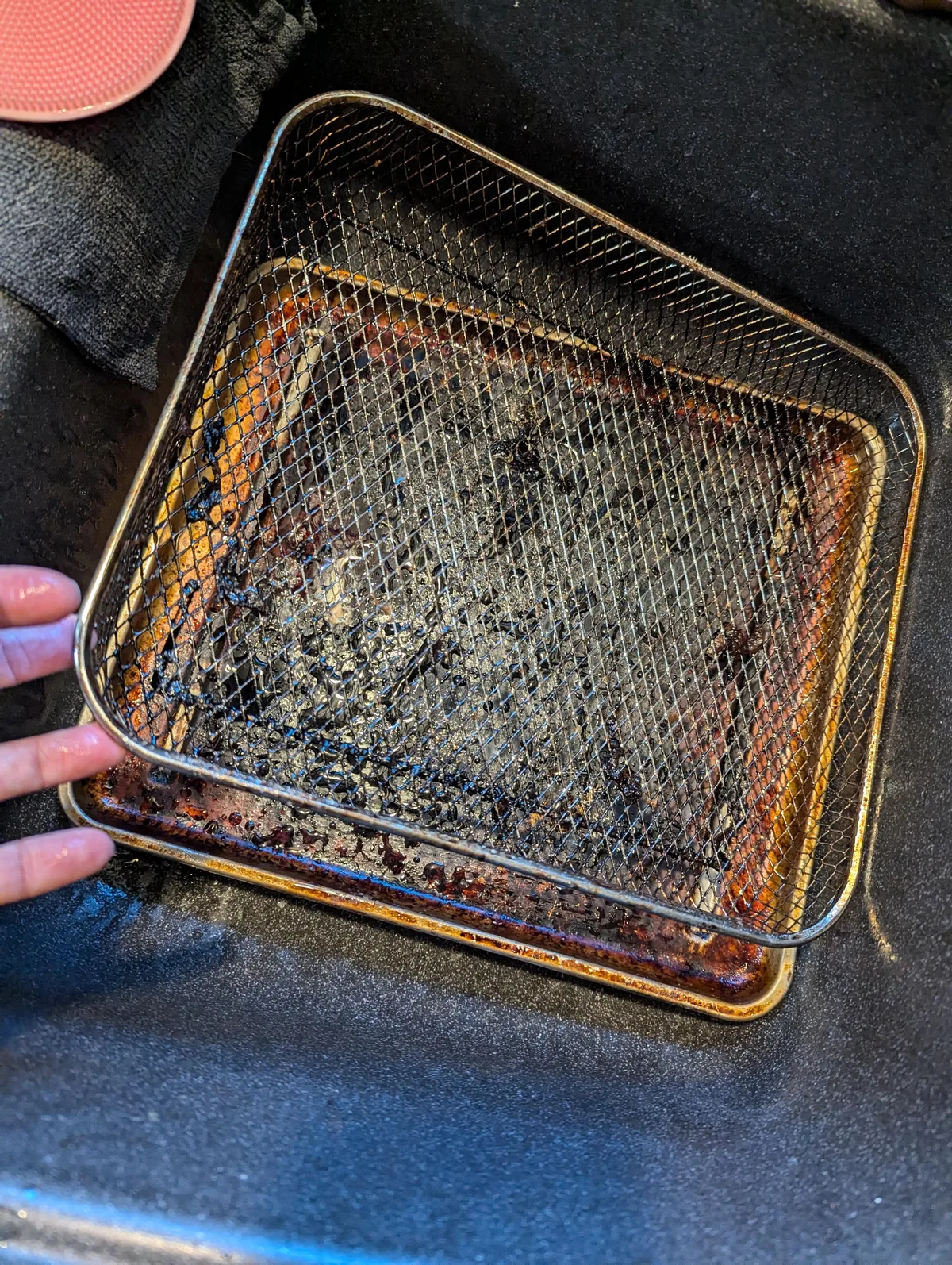
Image source: Web (Bing) / bestelectronicshub.com (Web image (fair-use with source credit))
Quick Answer: The Soak + Paste Workflow
Clean carbonized grease from wire air fry oven baskets with a soak and paste. Soak the basket in hot, soapy water for 20 minutes. Mix a baking soda paste from three parts soda to one part water.
Spread it over the carbonized spots. Let it sit for 10 to 30 minutes. Scrub with a soft nylon brush, then rinse and dry.
Why Carbonized Grease Fuses to Wire Mesh
Carbonized grease isn’t just dirty oil. It’s oil that has burned and bonded to the metal. When cooking oils reach their smoke point, they break down into sticky compounds.
On a wire basket, those compounds get baked on harder every time you use it.
High temperatures make the problem worse. As of 2026, most consumer air fryer ovens reach 400°F to 450°F. At those temps, fats from high-fat proteins like turkey bacon turn from liquid grease into a stubborn film.
Ordinary dish soap alone doesn’t dissolve that film quickly. It needs time, heat, and a gentle abrasive to break the bond. That’s where this workflow comes in.
Know Your Basket: Coatings, Materials, and Limits
Before you scrub, figure out what you’re working with. Different materials need different toolkits. Let’s cover the three most common types.
A nonstick-coated basket usually looks dark gray or black. Stainless steel baskets are silver and heavier. Chrome-plated baskets look shiny and bright, but they can flake if you treat them roughly.
The spacing matters too. Tight mesh traps grease in places a sponge can’t reach.
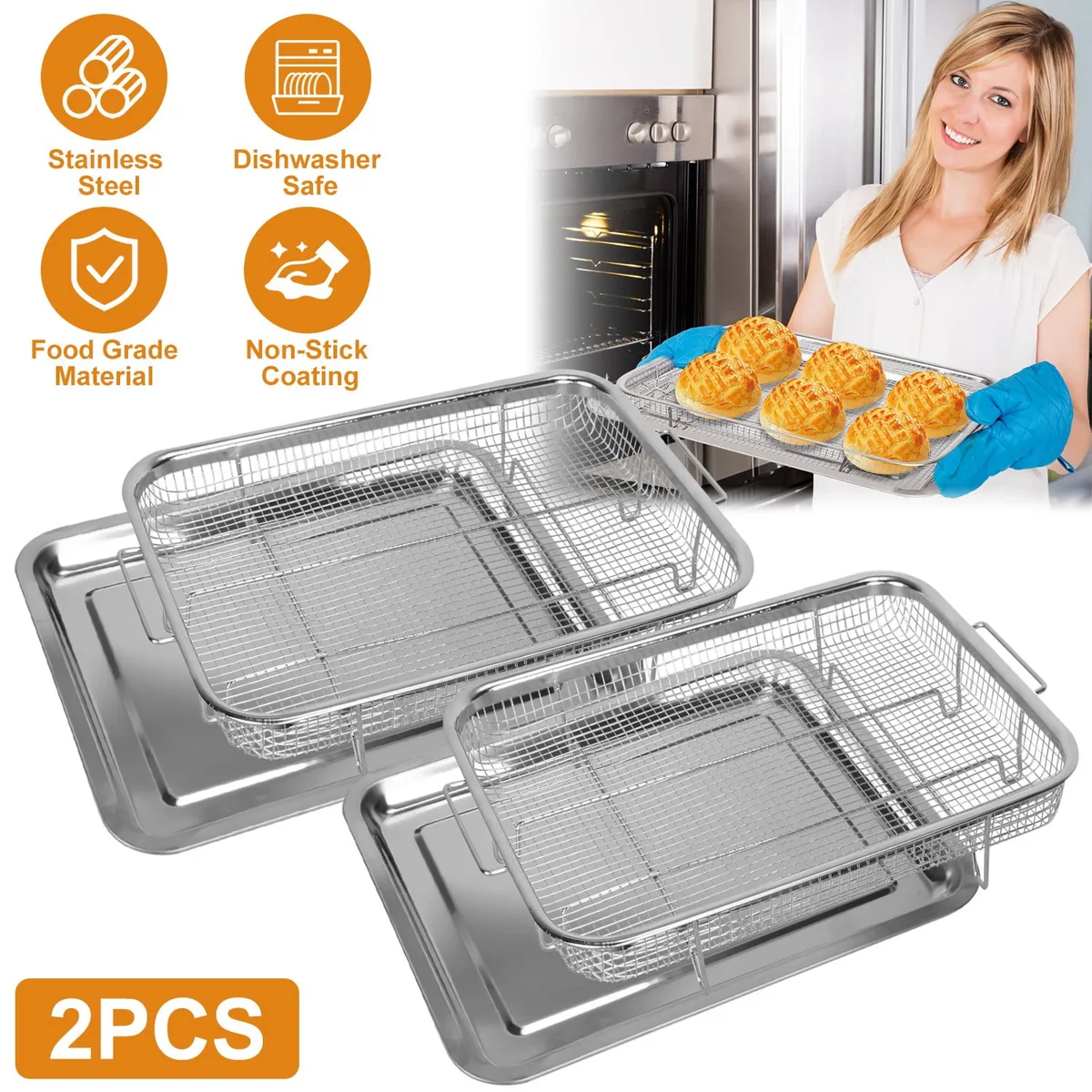
Image source: Bing (Web (fair-use with source credit))
Nonstick-Coated vs Stainless Steel
Nonstick surfaces need gentle care. Use soft sponges, nylon brushes, and mild dish soap. Stainless steel can take more force.
After a good soak, you can use stainless-safe scrub pads without worrying about chipping a coating.
| Basket surface | What you should use | What to avoid | | Nonstick | Soft sponge, nylon brush, baking soda paste | Steel wool, metal scrapers | | Stainless steel | Stainless-safe pad, degreaser, paste | Chlorine bleach | | Chrome-plated | Soft sponge, soapy soak | Abrasive pads |
Reading the Care Label Without Calling Support
Your owner’s manual is the final word. Look for care icons on the bottom of the basket or the box. If it says hand-wash only, honor that.
Dishwasher heat plus detergent slowly erodes nonstick coatings.
These baskets show up in everything from compact fryers to larger countertop hybrid designs. Choosing between basket-style versus oven-style designs matters, because oven-type units often have bigger mesh racks that need a slightly longer soak.
Decision Tree: Find the Right Cleaning Path
The right cleaning path depends on two variables: the basket’s coating and the amount of buildup. Use this as a quick cheat sheet.
| Situation | First move | Scrubber | | Light grease on nonstick | Soak in hot soapy water | Soft sponge | | Heavy carbon on nonstick | Soak, then baking soda paste | Nylon brush | | Heavy carbon on stainless | Soak, then paste or degreaser | Stainless-safe pad | | Carbon inside fine mesh | Apply paste to both sides | Old toothbrush |
If your basket looks grey or silver, use the stainless row. If it has a dark coating, treat it as nonstick. When in doubt, go with the gentler method first.
Light Grease, Nonstick Coating
Start with the soak alone. If the basket feels slippery but there’s no visible crust, a 15-minute soak in hot soapy water is usually enough. Agitate with a sponge and rinse.
If a film remains, move to the baking soda paste.
Heavy Carbon, Nonstick Coating
Don’t reach for steel wool. Reach for baking soda. Coat the black spots with a thick paste, let it sit for 10 to 30 minutes, then scrub with a nylon brush.
The paste won’t scratch the surface the way abrasive pads do.
Bare Stainless Steel
If your basket has no coating at all, you can be more aggressive. Use a stainless-safe scrub pad after the soak. For stubborn carbon, a commercial kitchen degreaser helps, since the metal can handle it.
Clogged Fine Mesh
Tight mesh traps grease where a sponge can’t reach. Use an old toothbrush or a soft bottle brush to work the paste into the gaps. Rinse from both sides, then check the back of the mesh.
How to Do the Hot Soapy Water Soak
Start with the gentlest method and see how much comes off.
- Remove loose food bits from the mesh.
- Fill a sink with comfortably hot tap water.
- Add a teaspoon of grease-cutting dish soap.
- Submerge the basket completely.
- Let it soak for 15 to 20 minutes.
- Use a soft sponge to loosen residue.
- Rinse under running water.
Never soak a basket that’s still attached to a motorized base. Only remove the detachable parts. If the water cools before the soak is done, refill with hotter water.
How to Make and Use a Baking Soda Paste
Mix three parts baking soda with one part water. Stir until it forms a thick paste. It should cling to a vertical wire without running off, not spread like soup.
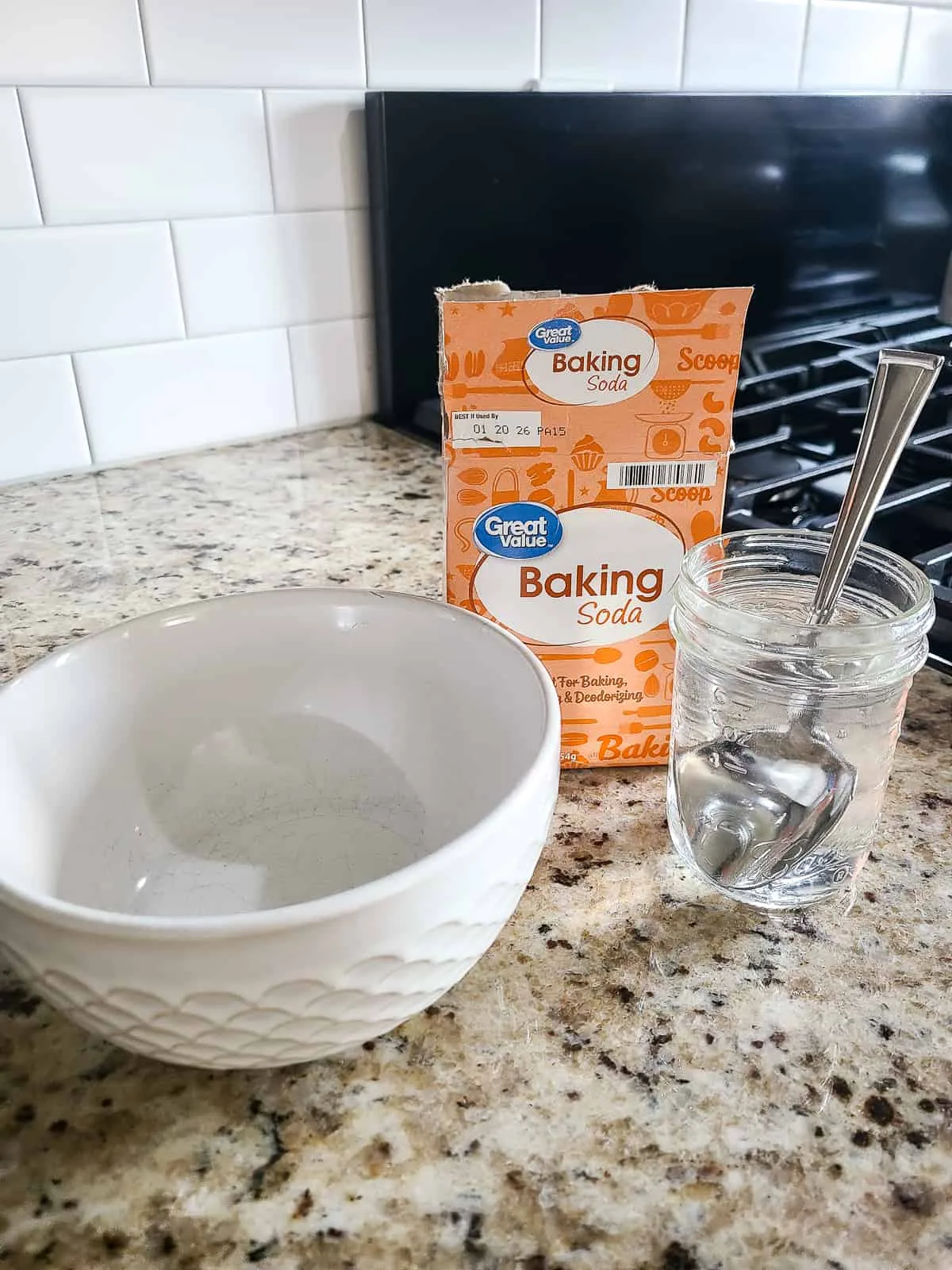
Image source: Web (Bing) / smart.dhgate.com (Web image (fair-use with source credit))
Spread the paste generously over the carbon spots. Press it into the mesh openings. Let it sit for 10 to 30 minutes.
For extra hard buildup, cover the basket with a damp cloth and wait another 15 minutes.
When you’re ready, scrub with a soft nylon brush or an old toothbrush. Work in a circular motion, then rinse thoroughly. You can reapply the paste if stubborn spots remain.
When to Use Commercial Degreasers (and When Not To)
For stainless steel, a commercial degreaser is a legitimate shortcut. Look for a formula labeled food-safe and certified through the EPA’s Safer Choice program. That keeps harsh residue away from food-contact surfaces.
Oven cleaners are another story. Most contain lye or caustic chemicals that strip nonstick coatings. Keep those away from coated baskets.
If you do use a degreaser on stainless, wash the basket again with warm soapy water afterward. That lines up with the USDA’s food safety guidance for food-contact surfaces.
Mistakes That Scratch, Rust, or Ruin a Basket
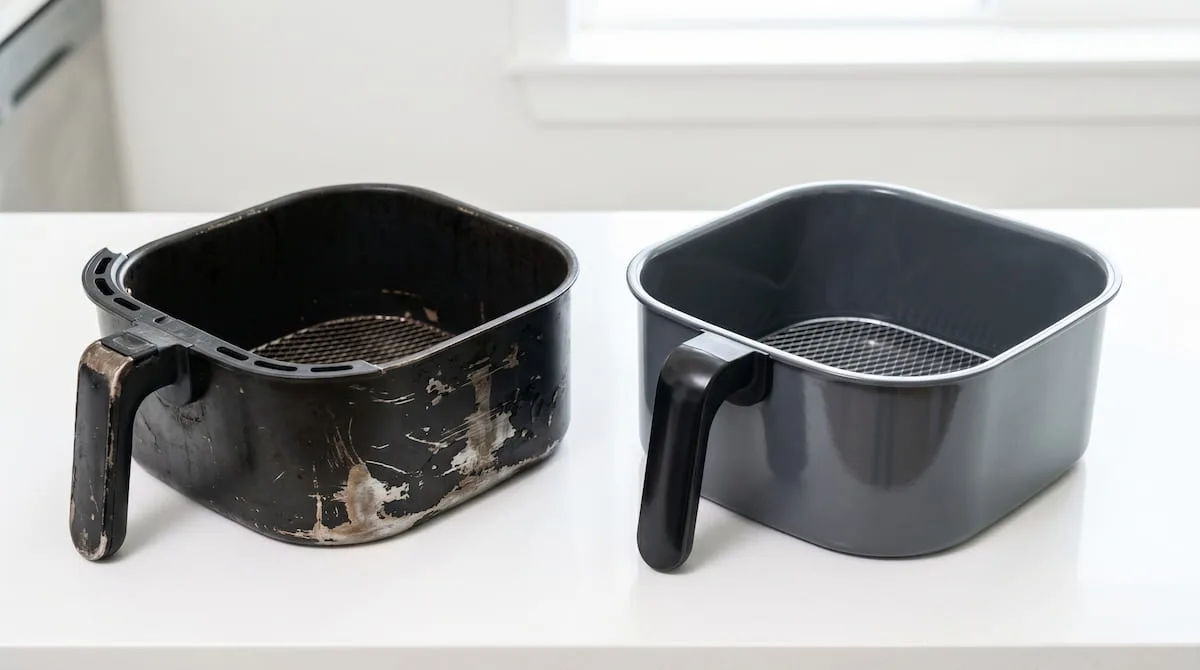
Image source: Web (Bing) / globaltrend-lab.com (Web image (fair-use with source credit))
Some cleaning habits cause more damage than the grease itself. Here’s what to avoid.
- Scrubbing nonstick with steel wool. This is the fastest way to wreck the coating.
- Running coated baskets through the dishwasher. Over time, the detergent and heat cause chipping.
- Using oven cleaner on coated wire. It will eat through the finish.
- Leaving the basket wet in a stack. Moisture sits in scratches and leads to rust.
- Turning on the oven’s self-clean mode to burn off grease. That’s a fire hazard and can warp thin mesh.
Steel wool can also leave tiny metal shards in the mesh. Those shards end up in your food later. Soft brushes and wooden or silicone tools are safer.
Dry, Season, and Protect the Basket After Cleaning
Dry the basket completely before you store it. Use a clean dish towel or let it air dry on a rack with the mesh facing down. A basket that stays damp can develop a musty smell or rust along scratched spots.
For stainless steel baskets, a light wipe of food-safe oil helps keep the surface slick. It also slows down future sticking. Don’t do this on nonstick baskets.
The coating already does that job, and extra oil just turns into new residue.
If you stack baskets, put a cloth between them. That prevents scratches that give carbonized grease a foothold.
How to Stop Grease from Carbonizing in the First Place
Prevention saves you from the worst scrubbing. A few small habits make a big difference.
- Wipe excess oil off raw meat before cooking.
- Don’t fill the basket past the recommended line.
- Cook greasy foods at moderate temperatures instead of max heat.
- Clean the basket within 30 minutes of cooking, once it’s cool.
- Use a drip tray to keep runoff from baking onto the mesh.
Frozen potato sides and other straight-from-the-freezer items can release extra water and grease. If you’re cooking from frozen, expect more splatter and check the basket sooner after the cycle ends. Also remember that power draw and heat output vary by model, so your basket may run hotter than the dial suggests.
Frequently Asked Questions
Can I use vinegar instead of baking soda?
Vinegar removes grease, but it doesn’t break down heavy carbon. It works for light film and helps with odors. For a thick crust, baking soda paste works better because it stays in place and offers gentle abrasive action.
Is it okay to put the basket in the dishwasher?
Check the label first. Some stainless steel baskets can go in the dishwasher. Nonstick-coated baskets usually shouldn’t.
Dishwasher detergent and heat wear down the coating over time, which makes future buildup worse.
Will oven cleaner damage an air fryer basket?
Yes, on coated baskets. Most oven cleaners contain caustic chemicals that strip nonstick surfaces. Use them only on bare stainless steel, then wash the basket again with hot soapy water before you cook with it.
How long do I let baking soda paste sit?
Ten minutes is enough for light spots. Heavy carbon may need 30 minutes or more. If the paste dries out, cover it with a damp cloth to keep it active.
How often should I deep-clean the basket?
Every two or three heavy uses is a good rhythm. If you cook high-fat food daily, do a quick wipe after each use and a deep-clean once a week. That stops carbon from ever getting a solid grip.
Final Call: Clean It or Replace It?
Most baskets can be saved. Even heavy carbon responds to a soak, a paste, and a little patience. But some damage is permanent.
If the nonstick coating is flaking, replace the basket. Flakes end up in food. The same goes for bent mesh or rust that doesn’t scrub off.
A clean basket isn’t worth serving, so when the surface starts breaking down, let it go.
When to Use Commercial Degreasers (and When Not To)
Sometimes baking soda paste isn't enough. For heavily carbonized stainless steel baskets, a commercial kitchen degreaser speeds things up. Look for a formula labeled food-safe and certified through the EPA's Safer Choice program.
That keeps harsh residue away from food-contact surfaces.
Oven cleaners are a different story. Most contain lye or caustic chemicals that strip nonstick coatings. Keep those away from coated baskets.
If you do use a degreaser on stainless, wash the basket again with warm soapy water afterward. This follows the USDA's food safety guidance for food-contact surfaces.
| Option | Best for | Downside | | Baking soda paste | All basket types | Needs manual scrubbing | | Commercial degreaser | Stainless steel only | Can damage nonstick | | Oven cleaner | Avoid for baskets | Strips coatings, strong fumes |
Stainless baskets handle commercial products without issues. Nonstick baskets don't. Stick with the paste method there.
When your basket's coating still looks intact but has heavy carbon, a degreaser saves you plenty of elbow grease. Just pick a food-safe brand and rinse thoroughly after.
Mistakes That Scratch, Rust, or Ruin a Basket
Some cleaning habits cause permanent damage. Here's what to skip.
Image source: Web (Bing) / globaltrend-lab.com (Web image (fair-use with source credit))
- Scrubbing nonstick with steel wool. This is the fastest way to ruin the coating.
- Running coated baskets through the dishwasher. Detergent and heat chip the finish over time.
- Using oven cleaner on coated wire. The caustic chemicals eat the surface.
- Leaving the basket wet when you store it. That's how rust starts.
- Turning on the oven's self-clean mode to burn off grease. It's a fire hazard and can warp the mesh.
Steel wool is the worst offender. It leaves micro-scratches that trap new grease. It can also shed tiny metal fragments into your food.
Use a soft nylon brush or a wooden scraper instead.
If you notice the coating flaking or peeling, stop cleaning and replace the basket. Damaged nonstick surfaces can leach material. It's not worth the risk to your health.
Dry, Season, and Protect the Basket After Cleaning
Drying sounds like the boring part, but it matters. A basket stored damp develops rust, especially along scratched spots. Use a clean dish towel or let it air dry on a rack with the mesh facing down.
For stainless steel, a light wipe of food-safe oil keeps the surface slick. It also slows down future sticking. Skip this on nonstick baskets.
The coating already does that work, and extra oil just turns into smoke.
If you stack baskets, put a cloth between them. It prevents scratches that give carbonized grease a place to grab onto. Another tip: store the basket outside the oven when possible.
Trapped humidity inside the unit speeds up oxidation on bare metal.
How to Stop Grease from Carbonizing in the First Place
The best cleaning method is to avoid heavy buildup entirely. A few habits keep the mesh manageable.
- Wipe excess oil off raw meat before cooking.
- Don't fill the basket past the recommended line.
- Cook greasy foods at moderate temperatures instead of max heat.
- Clean the basket within 30 minutes of cooking, once it's cool.
- Use a drip tray to keep runoff from baking onto the mesh.
High-fat breakfast staples like turkey bacon are notorious for splatter. If you cook them often, expect more buildup and check the basket sooner after the cycle ends. The same goes for frozen potato sides and other straight-from-the-freezer items.
They release extra water and grease, which makes carbon stick faster.
Different machines also run at different heat intensities. If your basket gets hotter than the dial suggests, grease will carbonize faster. It helps to know what your unit draws, since that affects overall cooking performance.
When you're deciding which appliance fits your habits, the differences between basket-style and oven-style designs can change how often you clean. Larger oven-style baskets have more surface area, so grease spreads thinner and bakes on faster. Knowing that upfront saves you frustration later.
Frequently Asked Questions
Can I use vinegar instead of baking soda?
Vinegar cuts light grease and neutralizes odors, but it won't break down thick carbon crust. Use it for maintenance soaks, then finish with baking soda paste on the stubborn spots. That combo handles most baskets well.
Is it okay to put the basket in the dishwasher?
Check the label first. Some stainless steel baskets tolerate the dishwasher. Nonstick-coated baskets usually don't.
Dishwasher detergent and heat wear down the coating over time, which makes future buildup worse. Hand washing is safer for coated baskets.
Will oven cleaner damage an air fryer basket?
Yes, on coated baskets. Most oven cleaners contain lye, which strips nonstick finishes. You can use them on bare stainless steel, but even then, wash the basket again with hot soapy water before cooking.
The residue is not something you want on food.
How long do I let baking soda paste sit?
Ten minutes works for light spots. Heavy carbon needs 30 minutes or more. If the paste dries out, cover it with a damp cloth to keep it working.
You can also reapply a fresh layer on spots that didn't clear the first time.
How often should I deep-clean the basket?
Every two or three heavy uses is a good rhythm. If you cook high-fat food daily, do a quick wipe after each use and a deep-clean once a week. That stops carbon from ever getting a solid grip on the wire.
Final Call: Clean It or Replace It?
Most baskets can be saved. Even heavy carbon responds to a soak, a paste, and patience. But some damage is permanent.
If the nonstick coating is flaking, replace the basket. Chips end up in your food. The same goes for bent mesh, rust holes, or a weld that’s come loose.
Those weak spots collect grease and become impossible to sanitize. A wire basket replacement is inexpensive compared with the health risk.
One last test: after cleaning, run your finger across the mesh. If it feels smooth and looks uniform, you’re good. If you feel roughness or see dark patches that won’t budge, the basket has reached the end of its lifecycle.
Clean it one more time, then retire it. Your next batch of crispy food will taste better for it.