
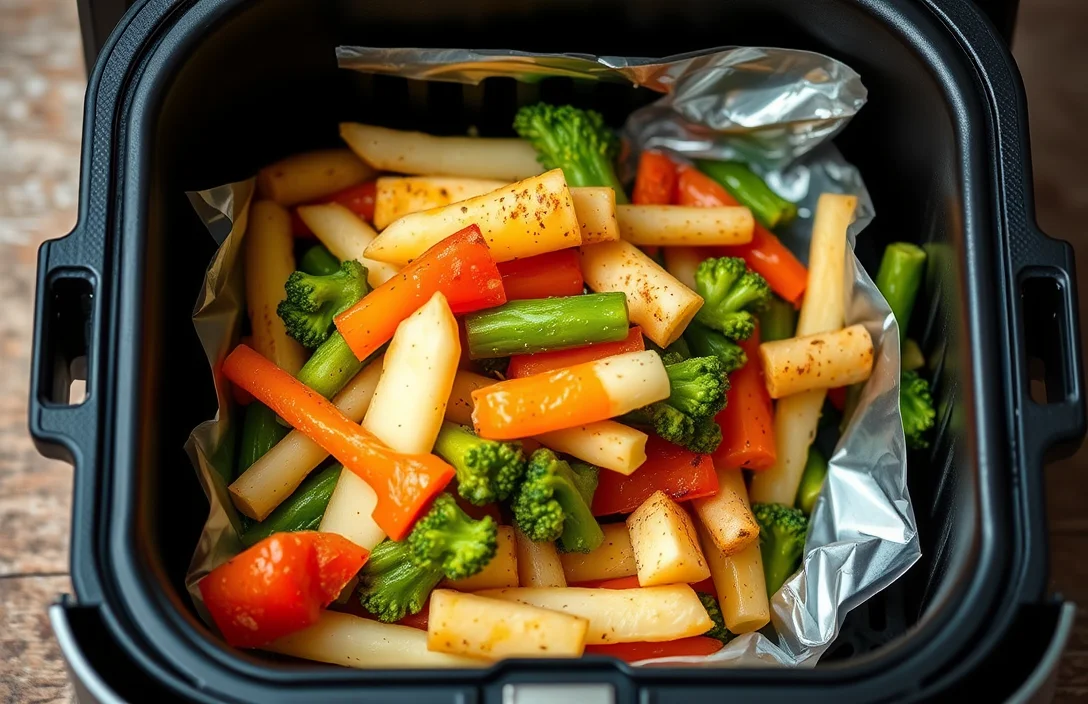
If you’re looking to maximize your kitchen’s efficiency, learning how to cook frozen vegetables in your air fryer is a smart move. Not only can this appliance save you time, but it can also help cut down your energy costs by using less power than a traditional oven. With the right techniques, you can have perfectly cooked veggies in under 15 minutes!
To get you started, here are key facts: the average cost of an air fryer is around $100, with a lifespan of about 5 years. Cooking frozen vegetables is relatively easy, with a difficulty level of 1 out of 5 — perfect for any homeowner.
| Average Cost | Lifespan | Difficulty | When to Call a Pro |
|---|---|---|---|
| $100 | 5 years | 1/5 | If it won’t power on |
Benefits of Air Frying Vegetables
Air frying is an excellent method for cooking frozen vegetables, offering numerous advantages over traditional cooking techniques. This section highlights the health benefits, convenience, and speed of air frying, making it a smart choice for busy homeowners looking to prepare nutritious meals quickly.
Health Benefits
- Lower Oil Usage: Air frying typically requires little to no oil, significantly reducing calorie intake compared to deep frying.
- Retained Nutrients: Cooking frozen vegetables in an air fryer helps preserve vitamins and minerals better than boiling or steaming.
- Healthier Cooking Method: Air frying can reduce harmful compounds that develop during high-heat cooking methods.
Convenience and Speed
Air fryers are designed to cook food quickly and efficiently, making them ideal for busy lifestyles. Here are some notable time-saving benefits:
- Preheating is often unnecessary, allowing for immediate cooking.
- Cooking times are usually shorter than traditional ovens, saving valuable time in meal preparation.
Pro tip: Cooking frozen vegetables in an air fryer can take as little as 10-15 minutes, depending on the type and quantity.
| Cooking Method | Time (Minutes) | Oil Usage | Nutrient Retention |
|---|---|---|---|
| Air Fryer | 10-15 | Minimal | High |
| Boiling | 5-10 | None | Medium |
| Steaming | 10-15 | None | High |
| Deep Frying | 5-7 | High | Low |
How Air Fryers Cook
This section explains the mechanics of air fryers, focusing on heat circulation and the cooking process. Understanding these elements is crucial for achieving optimal results when cooking frozen vegetables, ensuring they are evenly cooked and retain their nutrients.
- Heat Circulation: Air fryers utilize rapid air technology, which circulates hot air around the food. This method creates a crispy exterior while keeping the interior moist. The efficient heat circulation allows for even cooking, which is essential when dealing with frozen vegetables that need to be heated thoroughly.
- Preheating: To achieve the best results, preheating your air fryer is recommended. Set the temperature to around 400°F (204°C) for about 3-5 minutes before adding your frozen vegetables. Preheating helps in maintaining consistent cooking temperatures, leading to better texture and flavor.
- Cooking Process: When placing frozen vegetables into the air fryer, ensure they are spread out in a single layer. This allows for optimal air flow and prevents steaming. Cooking times may vary, but generally, frozen vegetables cook well in about 10-15 minutes. Shake the basket halfway through cooking to promote even browning.
- Temperature Settings: For most frozen vegetables, a temperature of 400°F (204°C) is effective. However, specific types may require slight adjustments. For example, denser vegetables like carrots may need a few extra minutes, while softer options like spinach may cook faster.
- Monitoring Doneness: It’s essential to check the doneness of your vegetables. You can do this by piercing them with a fork. They should be tender and slightly crispy on the outside. If they aren’t done to your liking, continue to cook in 2-3 minute increments until the desired texture is achieved.
Choosing the Right Air Fryer
Selecting the right air fryer is crucial for achieving optimal results when cooking frozen vegetables. Two key features to consider are capacity and temperature control, which can significantly impact your cooking experience and food quality.
Capacity
Air fryers come in various sizes, which determines how much food you can cook at once. For cooking frozen vegetables, a larger capacity can be beneficial, especially if you’re preparing meals for a family. Here’s a breakdown of typical capacities:
- Small (2-3 quarts): Ideal for 1-2 servings; suitable for small kitchens.
- Medium (4-5 quarts): Good for 3-4 servings; versatile for various recipes.
- Large (6+ quarts): Best for families or batch cooking; accommodates larger quantities of vegetables.
Temperature Control
Accurate temperature control is essential for evenly cooking frozen vegetables. Look for air fryers with adjustable settings that range from 180°F to 400°F. Here’s how various temperature settings affect cooking:
| Temperature (°F) | Cooking Time (minutes) | Vegetable Texture |
|---|---|---|
| 180 | 15-20 | Soft |
| 350 | 10-15 | Crispy |
| 400 | 8-12 | Very Crispy |
Choosing an air fryer with good temperature control can enhance your cooking results, making your vegetables both flavorful and perfectly cooked.
Cooking Frozen Vegetables Steps
Cooking frozen vegetables in an air fryer can yield delicious and nutritious results with minimal effort. This section provides a detailed guide on how to preheat your air fryer, set the right cooking temperature, and determine the optimal cooking time for various types of frozen vegetables.
- Preheat the Air Fryer: Before cooking, it’s essential to preheat your air fryer to ensure even cooking. Set the temperature to 400°F (204°C) and allow it to preheat for about 5 minutes. Preheating helps lock in moisture and enhances the overall texture of the vegetables.
- Prepare the Vegetables: Remove the frozen vegetables from their packaging. There’s no need to thaw them; cooking from frozen helps retain nutrients. If desired, you can lightly coat them with a drizzle of oil and seasonings to enhance flavor, but this is optional.
- Set Cooking Temperature and Time: Place the frozen vegetables in the air fryer basket in a single layer to ensure even cooking. Set the air fryer to 400°F (204°C) and cook for 10-15 minutes, depending on the type of vegetable. For instance, broccoli and green beans typically take around 10 minutes, while carrots and cauliflower may need up to 15 minutes.
- Shake the Basket: Halfway through the cooking time, about 5-7 minutes in, shake the basket to promote even cooking. This step prevents the vegetables from sticking together and ensures they are perfectly crisp.
- Check for Doneness: As the cooking time nears completion, check the vegetables for tenderness. They should be bright in color and tender but not mushy. If necessary, add a few extra minutes of cooking time to achieve your desired consistency.
Flavoring Frozen Vegetables
Enhancing the flavor of frozen vegetables cooked in an air fryer can elevate your meals significantly. By using the right seasonings and oils, you can create delicious side dishes that complement any main course. Here are some effective tips to flavor your vegetables.
Seasoning Options
- Herbs and Spices: Experiment with dried herbs such as oregano, thyme, or rosemary. A teaspoon of your favorite herb can add depth to your vegetables without adding calories.
- Garlic Powder or Onion Powder: These powders provide a savory kick. Just a sprinkle can transform standard veggies into a tasty treat.
- Salt and Pepper: Sometimes, the simplest seasonings are the best. A pinch of sea salt and freshly cracked pepper can enhance the natural flavors of the vegetables.
- Citrus Zest: Adding lemon or lime zest brightens up the dish. A teaspoon of zest can provide a refreshing contrast to the earthiness of the vegetables.
Cooking Oils
- Olive Oil: Drizzling a tablespoon of olive oil not only helps with crisping but also adds richness. It’s a healthy fat that enhances flavor and promotes better nutrient absorption.
- Avocado Oil: With a high smoke point, avocado oil is excellent for air frying. It also has a mild flavor that won’t overpower your vegetables.
- Flavored Oils: Consider using chili oil or garlic-infused oil for an extra layer of flavor. These can add a unique twist and elevate your dish to new heights.
Maintenance Tips for Air Fryers
Regular maintenance is key to keeping your air fryer in optimal condition, especially when cooking frozen vegetables. Proper care ensures that your appliance operates efficiently and extends its lifespan, allowing you to enjoy healthy meals without interruption.
Cleaning Schedule
To maintain the performance of your air fryer, establish a cleaning routine:
| Task | Frequency | Time |
|---|---|---|
| Wipe exterior | After each use | 5 minutes |
| Clean basket and tray | After each use | 10 minutes |
| Deep clean (remove grease buildup) | Every month | 20 minutes |
Parts to Inspect
Inspecting specific parts of your air fryer can help prevent issues:
- Heating Element: Check for any signs of damage or buildup that could affect cooking efficiency.
- Fan: Ensure it spins freely and is free of obstructions to maintain proper air circulation.
- Power Cord: Look for frays or damage; a damaged cord can pose safety risks.
Pro tip: Regular maintenance can save you up to 25% on energy costs and improve cooking performance.
Common Cooking Issues
Cooking frozen vegetables in an air fryer can sometimes lead to common problems like uneven cooking and a soggy texture. Understanding these issues and their solutions can help you achieve perfectly cooked vegetables every time, maximizing flavor and nutrition while minimizing waste.
Uneven Cooking
Symptom: Some vegetables are overcooked while others remain undercooked.
Cause: This typically occurs when vegetables are not uniformly sized or if the air fryer basket is overcrowded.
Fix: To ensure even cooking, cut larger vegetables into smaller, uniform pieces. Avoid overcrowding the basket; a good rule of thumb is to fill it to no more than half capacity. Shake the basket halfway through cooking to redistribute the vegetables and promote even air circulation.
Soggy Texture
Symptom: Vegetables come out mushy and lack crispiness.
Cause: This can happen if the vegetables are not properly dried or if they are cooked at too low a temperature.
Fix: Before cooking, pat the vegetables dry with a paper towel to remove excess moisture. Preheat your air fryer to at least 400°F (200°C) to help achieve a crispy exterior. Cooking times generally range from 10 to 15 minutes, depending on the type and size of the vegetables. Check for doneness and adjust time as needed.
Pro tip: Avoid cooking frozen vegetables directly from the freezer; letting them sit at room temperature for 10-15 minutes can reduce excess moisture and improve texture.
Energy and Cost Savings
Using an air fryer to cook frozen vegetables not only enhances convenience but also offers significant energy and cost savings compared to traditional cooking methods. Understanding the energy consumption and the cost benefits can help you make informed choices that keep your kitchen running efficiently.
Energy Consumption
- The average air fryer consumes about 1,500 watts during operation, which is significantly lower than most traditional ovens that can consume between 2,000 to 5,000 watts. This difference can lead to less energy being used overall, especially for smaller cooking tasks like preparing frozen vegetables.
- Cooking frozen vegetables in an air fryer typically takes only 10-15 minutes, compared to 30-45 minutes in an oven. This quicker cooking time translates to less electricity used during the cooking process.
Cost Comparison
- Assuming an average electricity cost of $0.13 per kWh, using an air fryer for 15 minutes would cost approximately $0.03, whereas using a conventional oven for 30 minutes can cost about $0.09. Over time, these small savings can add up.
- If you cook frozen vegetables 3 times a week, using an air fryer could save you around $10-$20 annually compared to an oven, depending on usage and local energy rates.
Pro tip: By utilizing an air fryer for smaller cooking tasks, homeowners can significantly cut down on energy use, leading to lower monthly bills and a more efficient kitchen.
Quick Summary
- Top 3 maintenance tasks: Clean the air fryer basket weekly, check the power cord monthly, and descale quarterly if using hard water.
- When to repair vs replace: If repair costs exceed $100 or 50% of the replacement cost, consider replacing.
- Energy saving tip: Cooking in an air fryer can save up to $30 annually compared to conventional ovens.
- Safety checklist: Ensure the air fryer is on a stable surface, keep it away from flammable materials, and do not overcrowd the basket.
| Action | Estimated Costs |
|---|---|
| Buying new air fryer | $60 – $300 |
| Repairing air fryer | $50 – $150 |
| Annual maintenance | $10 – $20 |
Frequently Asked Questions
How long should my air fryer last?
Your air fryer should last around 5 to 10 years with proper care and maintenance. Regular use and cleaning can extend its lifespan significantly.
Is it worth repairing my air fryer or should I buy new?
If the repair costs exceed 50% of the price of a new air fryer, it’s usually more economical to buy a new one. Consider the age and warranty of your current appliance when making this decision.
How much does it cost to run an air fryer per month/year?
Running an air fryer typically costs around $1 to $2 per month based on average use, depending on your local electricity rates. This can vary with the wattage of your specific model and how often you use it.
What brand of air fryer is most reliable for cooking vegetables?
Brands like Philips and Ninja are often highlighted for their reliability and performance. They have consistently high ratings for even cooking and ease of use, especially for frozen vegetables.
Can I install my air fryer myself or do I need a professional?
You can easily set up your air fryer yourself without the need for a professional, as they typically just require a power outlet. Just make sure to follow the manufacturer’s instructions for best results.