
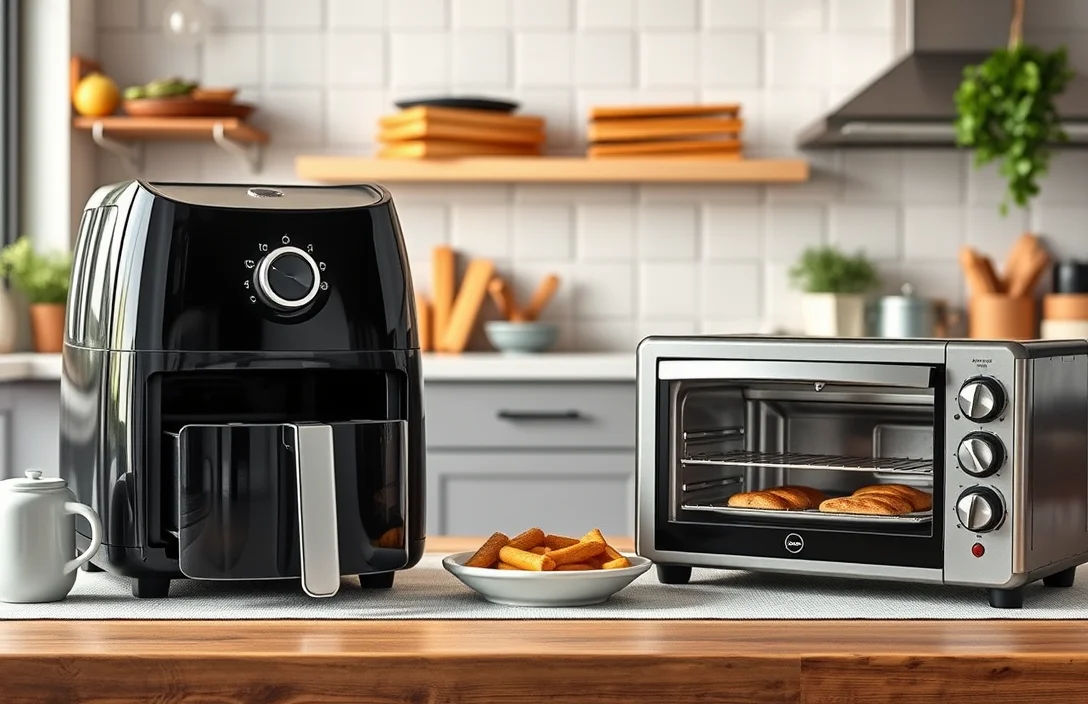
There’s something irresistible about crispy, golden-brown chicken wings that makes them a weeknight staple and a crowd-pleaser. Imagine biting into wings that are juicy on the inside and perfectly crunchy on the outside, all while being healthier than traditional frying methods. You’ll want to make these again and again!
Key details: Total time: 40 minutes, Difficulty level: Easy, Servings: 4.
| Prep Time | Cook Time | Total Time | Servings | Difficulty |
|---|---|---|---|---|
| 10 minutes | 30 minutes | 40 minutes | 4 | Easy |
Air Fryer Basics
This section will define what an air fryer is, explain how it operates, and outline its health benefits. Understanding these fundamentals is essential for comparing it to a convection oven effectively.
Definition of Air Fryer
An air fryer is a compact kitchen appliance that cooks food by circulating hot air around it, creating a crispy outer layer similar to frying but with significantly less oil. This method allows for healthier cooking while still delivering satisfying textures and flavors.
How It Works
- Rapid Air Technology: Air fryers use a powerful fan to circulate hot air at high speeds, cooking food evenly and quickly. This process helps achieve that golden-brown finish without submerging food in oil.
- Temperature Control: Most air fryers can be set to temperatures between 180°F (82°C) to 400°F (204°C), allowing for a variety of cooking methods, from frying to roasting.
- Cooking Time: Cooking is typically faster than traditional methods, often reducing cooking time by 20-30%. For example, frozen fries can be ready in about 15-20 minutes.
Health Benefits
- Less Oil Required: Air fryers can produce crispy foods using as little as 1 tablespoon of oil, compared to deep frying, which often requires several cups. This reduction in oil means fewer calories and fats.
- Reduced Acrylamide Formation: Cooking at high temperatures can create harmful compounds like acrylamide in fried foods. Air frying minimizes this risk, making it a safer option for cooking.
- Versatility: Besides frying, air fryers can also bake, grill, and roast, allowing for a wide range of healthier meal options without needing multiple appliances.
Convection Oven Overview
This section will provide a comprehensive look at convection ovens, detailing how they function and the health benefits they offer. Understanding these aspects will help you make an informed comparison between convection ovens and air fryers.
Definition of Convection Oven
A convection oven is an appliance that uses a fan and an exhaust system to circulate hot air around the food. This results in even cooking and browning, making it a popular choice for home cooks looking to achieve restaurant-quality results.
How It Works
- Hot Air Circulation: The built-in fan distributes hot air evenly throughout the oven, reducing cooking time by up to 25% compared to conventional ovens.
- Even Cooking: The constant movement of air prevents hot and cold spots, ensuring that your food cooks uniformly. For example, a roast chicken will brown perfectly on all sides.
- Higher Cooking Temperatures: Convection ovens often require lower temperatures than traditional ovens. For instance, if a recipe calls for 400°F (200°C) in a conventional oven, set your convection oven to about 375°F (190°C).
Health Benefits
- Reduced Fat Usage: Because of the efficient cooking method, you may use less oil without sacrificing flavor or texture, making it a healthier option for meals.
- Preservation of Nutrients: The quicker cooking times help in retaining vitamins and minerals in vegetables and meats, contributing to a healthier diet.
- Versatile Cooking: Convection ovens can bake, roast, and even dehydrate, allowing you to prepare a wide range of dishes while promoting healthier cooking methods.
Cooking Method Comparison
Understanding the differences in temperature settings, cooking times, and energy consumption between air fryers and convection ovens can help you make an informed choice for your cooking needs. This comparison highlights key factors that affect efficiency and outcomes in both appliances.
| Feature | Air Fryer | Convection Oven |
|---|---|---|
| Temperature Settings | Typically ranges from 180°F to 400°F (82°C to 204°C) | Usually ranges from 200°F to 500°F (93°C to 260°C) |
| Cooking Times | Generally 25-30% faster than traditional methods; most foods cook in 10-20 minutes | Longer cooking times; usually requires 20-40 minutes depending on the dish |
| Energy Consumption | Uses about 50% less energy than a conventional oven | Higher energy consumption due to longer cooking times and higher max temperatures |
Chef’s tip: For even cooking in both appliances, arrange food in a single layer and avoid overcrowding the basket or oven.
Advantages of Air Fryers
Air fryers have quickly gained popularity in kitchens for their unique benefits that make cooking enjoyable and efficient. This section highlights the key advantages of using an air fryer, particularly when compared to convection ovens, focusing on the crispiness factor, speed of cooking, and versatility.
- Crispiness Factor: Air fryers excel at creating a crispy texture that mimics deep-frying without the excess oil. The rapid air circulation technology ensures even heat distribution, resulting in deliciously crispy fries, chicken wings, and more, all while using significantly less oil—typically just 1-2 tablespoons for most recipes.
- Speed of Cooking: Air fryers preheat much faster than convection ovens, often requiring only 3-5 minutes. Cooking times are also reduced, with many dishes ready in under 30 minutes. For example, frozen chicken tenders can go from freezer to plate in about 20 minutes, making them perfect for busy weeknights.
- Versatility: An air fryer is not just for frying; it can also roast, bake, and grill. This means you can prepare a wide range of dishes—from roasted vegetables to baked goods—without needing multiple appliances. For instance, you can whip up a batch of air-fried donuts in less than 15 minutes, delivering a delightful treat with minimal fuss.
Disadvantages of Air Fryers
While air fryers have gained popularity for their convenience and ability to create crispy textures with less oil, they do come with several drawbacks. Understanding these limitations can help you decide whether an air fryer suits your cooking style or if a convection oven might be a better fit.
Capacity Limitations
One of the most significant drawbacks of air fryers is their limited cooking capacity. Most models can only accommodate small batches of food, which can be a challenge for larger families or gatherings. Here are some key points to consider:
- Typical basket sizes range from 2 to 6 quarts. A 5-quart air fryer can cook about 2 pounds of chicken wings at once.
- Cooking in batches can be time-consuming, especially if you need to prepare multiple servings.
- Overcrowding the basket can result in uneven cooking and less crispy results.
Texture Differences
While air fryers excel at creating a crispy exterior, they may not replicate the texture achieved by a convection oven. Here’s how:
- Air fryers circulate hot air rapidly, which can lead to a crunch but may leave some foods dry.
- Convection ovens provide a more consistent heat, delivering a moist interior with a perfectly browned exterior.
Learning Curve
Adapting to an air fryer can come with a bit of a learning curve. Here are some common challenges:
- The cooking times and temperatures differ from traditional frying or baking methods, requiring adjustments.
- Finding the right balance of oil and cooking time can take trial and error.
Chef’s tip: Always check on your food halfway through cooking to avoid overcooking or burning.
Air Fryer Recipes
This section highlights three delicious air fryer recipes that showcase the appliance’s versatility and efficiency. From crispy chicken to sweet donuts, these recipes are easy to follow and perfect for home cooks looking to make the most of their air fryer.
Crispy Air Fryer Chicken
- 2 lbs chicken thighs (bone-in, skin-on)
- 2 tablespoons olive oil
- 1 teaspoon garlic powder
- 1 teaspoon paprika
- Salt and pepper to taste
Prep Time: 10 minutes
Cook Time: 25 minutes
- Preheat your air fryer to 400°F (200°C). Allow it to heat for about 5 minutes, which helps achieve that crispy skin.
- In a large bowl, combine the chicken thighs with olive oil, garlic powder, paprika, salt, and pepper. Toss until the chicken is evenly coated.
- Arrange the chicken in a single layer in the air fryer basket. Make sure not to overcrowd, or the skin won’t crisp properly. Cook for 25 minutes, flipping halfway through. The chicken should be golden brown and reach an internal temperature of 165°F (74°C).
Vegetable Medley
- 1 cup broccoli florets
- 1 cup bell peppers, diced
- 1 cup zucchini, sliced
- 2 tablespoons olive oil
- 1 teaspoon Italian seasoning
- Salt and pepper to taste
Prep Time: 10 minutes
Cook Time: 12 minutes
- Preheat the air fryer to 375°F (190°C). This temperature helps to roast the vegetables evenly.
- In a mixing bowl, combine all the vegetables with olive oil, Italian seasoning, salt, and pepper. Toss to coat well.
- Transfer the vegetable mix to the air fryer basket in a single layer. Cook for 12 minutes, shaking the basket halfway through. The veggies should be tender and slightly charred.
Air Fried Donuts
- 1 can (16 oz) refrigerated biscuit dough
- ½ cup granulated sugar
- 2 teaspoons cinnamon
- ¼ cup melted butter
Prep Time: 5 minutes
Cook Time: 8 minutes
- Preheat the air fryer to 350°F (175°C). This step is crucial for even cooking.
- Separate the biscuit dough and use a small cookie cutter to cut holes in the center of each biscuit to form donuts.
- Lightly brush the donuts with melted butter and place them in the air fryer basket. Cook for 5-6 minutes until golden brown. While they cook, mix sugar and cinnamon in a bowl.
- Once cooked, immediately toss the warm donuts in the sugar-cinnamon mixture for a delightful finish.
Chef’s tip: For a lower-calorie version, you can use whole wheat biscuits or a sugar substitute.
Convection Oven Recipes
This section highlights some delicious recipes specifically designed for convection ovens, showcasing their unique ability to circulate hot air for even cooking. These recipes not only emphasize flavor but also demonstrate the versatility of convection ovens, making them a fantastic option for home cooks.
Roasted Garlic Potatoes
- 2 pounds baby potatoes, halved
- 4 tablespoons olive oil
- 1 head of garlic, cloves separated and unpeeled
- 1 teaspoon dried rosemary
- Salt and pepper to taste
- Preheat your convection oven to 400°F (200°C). The oven should feel hot and ready, ensuring a perfect roast.
- In a large bowl, combine the halved potatoes, olive oil, rosemary, salt, and pepper. Toss them well until evenly coated. The potatoes should glisten with oil.
- Spread the potatoes on a baking sheet and scatter the unpeeled garlic cloves among them. Roast for 30-35 minutes, tossing halfway through, until the potatoes are golden brown and crispy on the outside.
Baked Salmon
- 4 salmon fillets (about 6 ounces each)
- 2 tablespoons lemon juice
- 2 tablespoons olive oil
- 1 teaspoon garlic powder
- Salt and pepper to taste
- Preheat the convection oven to 375°F (190°C). This temperature promotes a gentle cook, keeping the salmon tender.
- In a small bowl, mix lemon juice, olive oil, garlic powder, salt, and pepper. Brush this mixture generously over the salmon fillets, ensuring they are well coated.
- Place the salmon on a lined baking sheet and bake for 12-15 minutes. The salmon should flake easily with a fork and have a light golden color on top.
Apple Crisp
- 4 cups sliced apples (about 4 medium apples)
- ¾ cup brown sugar
- ½ cup rolled oats
- ½ cup all-purpose flour
- ½ teaspoon cinnamon
- ¼ teaspoon salt
- 4 tablespoons butter, melted
- Preheat your convection oven to 350°F (175°C). This temperature allows the apples to soften while the topping crisps.
- In a baking dish, layer the sliced apples. In a separate bowl, combine brown sugar, oats, flour, cinnamon, salt, and melted butter. Mix until crumbly.
- Sprinkle the oat mixture over the apples and bake for 30-35 minutes. The topping should be golden brown, and the apples will be bubbling slightly at the edges.
Chef’s tip: For a nutty flavor, consider adding chopped walnuts or pecans to the apple crisp topping.
Visual Food Comparisons
This section showcases visual comparisons of food prepared in both an air fryer and a convection oven. By examining the texture, appearance, and taste of similar dishes, you can better understand how each appliance impacts your cooking results.
- Texture and Appearance: When comparing air-fried and convection oven-cooked foods, you’ll notice distinct differences. Air-fried items tend to have a crispier exterior due to the rapid circulation of hot air. In contrast, convection ovens provide a more evenly browned finish, giving food a consistently cooked look. For instance, air-fried chicken wings often appear golden and crispy, while convection oven wings have a slightly more uniform tan color.
- Taste Tests: Conducting a taste test can be a fun way to gauge the differences. Prepare the same recipe—like roasted vegetables or chicken—using both appliances. You might find that air-fried vegetables retain a bit more moisture, leading to a tender bite, while convection oven vegetables may develop a more caramelized flavor. Be sure to season them identically to ensure a fair comparison!
- Visual Infographics: Consider creating or referencing infographics that visually represent the differences in cooking times and temperatures for similar dishes. This can help you see the ideal settings for both appliances at a glance. For example, an air fryer might require 400°F (200°C) for 15 minutes, while a convection oven might need 375°F (190°C) for 20-25 minutes.
Chef’s tip: Take photos of your dishes at each stage to track how the cooking method affects the end result. This can be a great reference for future meals!
Choosing the Right Appliance
Deciding between an air fryer and a convection oven can significantly impact your cooking experience, especially based on your personal preferences and kitchen setup. This section will guide you through essential considerations like cooking preferences, meal types, and space and budget constraints to help you make the best choice for your culinary needs.
- Assess Your Cooking Preferences: If you enjoy quick meals that are crispy without the excess oil, an air fryer might be your best bet. On the other hand, if you prefer versatile cooking methods such as baking, roasting, and broiling, a convection oven could meet your needs more effectively.
- Consider the Types of Meals You Prepare: For small batch cooking like fries, chicken wings, or reheating leftovers, an air fryer excels due to its compact size and rapid cooking times. However, for larger family meals, a convection oven’s bigger capacity allows you to cook multiple dishes simultaneously, which is a huge advantage during gatherings.
- Evaluate Space and Budget: Air fryers generally take up less counter space and are often more budget-friendly, making them a great option for those with smaller kitchens. Conversely, convection ovens can be a larger investment but offer more features and cooking space, which might be worth it for avid home cooks or families.
- Think About Energy Efficiency: Air fryers typically use less energy and heat up faster than convection ovens, making them ideal for quick meals. If you’re energy-conscious and often cook in small batches, consider the air fryer for its efficiency.
Chef’s tip: If you have the space and budget, having both appliances can provide you with the best of both worlds for various cooking needs.
Quick Summary
| Prep Time | Cook Time | Total Time | Servings |
|---|---|---|---|
| 10 minutes | 20 minutes | 30 minutes | 4 |
- Choose your appliance: Decide between air fryer or convection oven based on desired crispiness.
- Preheat: Always preheat your air fryer to 400°F (200°C) for optimal results.
- Spacing is key: Arrange food in a single layer for even cooking in both appliances.
- Monitor cooking time: Air fryers cook faster—check at the 15-minute mark.
- Use oil wisely: Lightly coat food with oil for better crispiness in both methods.
- Tip: Air fryers yield a crunchier texture, while convection ovens excel in larger batches.
- Tip: Experiment with cooking times; they may vary between machines.
Frequently Asked Questions
Can I make this ahead of time? How to store and reheat?
You can prepare your dish ahead of time by cooking it and then storing it in an airtight container in the fridge for up to 3 days. To reheat, use the air fryer at 350°F for 5-7 minutes or the convection oven at the same temperature for about 10 minutes until heated through.
What can I substitute for [key ingredient]?
If you need a substitute for a specific ingredient like oil, you can use cooking spray in the air fryer or broth in the convection oven to keep things flavorful without adding extra fat. Just make sure the substitute has a similar cooking temperature compatibility.
How do I know when it’s done?
Your dish is done when it reaches a safe internal temperature, typically 165°F for meats, and exhibits a golden-brown color on the outside. Use a meat thermometer or check for tenderness if you’re cooking vegetables.
Can I freeze this? How long does it last?
You can freeze most cooked dishes for up to 3 months, just be sure to cool them completely before transferring to a freezer-safe container. For best results, thaw overnight in the fridge before reheating in the air fryer or convection oven.
What if I don’t have [specific equipment]?
If you don’t have an air fryer, you can achieve similar results using a convection oven by adjusting the cooking time and temperature—usually by reducing them by about 20%. Conversely, if you lack a convection oven, the air fryer can often replicate its results with less cooking time.