
Yes, some air fryer liners can go in the oven. The safe answer depends on the material, the oven temperature, and what the package says.
People ask because many liners look alike, but they don’t handle heat the same way. A parchment liner may be fine for baking, while a thin coated paper liner may scorch. Oven heat can also hit a liner differently than an air fryer basket does.
A few seconds of checking can prevent smoke, mess, and a ruined meal. Start with the liner itself, because that tells you almost everything you need to know.
What air fryer liners are made of and why that matters
Most air fryer liners are made from parchment paper, silicone, or thin disposable paper. Each one reacts to oven heat in its own way, so the label matters more than the shape.
Parchment paper liners are usually the safest option
Parchment paper liners are often the safest choice because many are made for both ovens and air fryers. If the box lists a maximum temperature, stay under it and use the liner only when food holds it down.
Oven heat can be rougher in one important way. In some ovens, the liner may sit closer to a heating element or a very hot pan edge. Keep it flat, never let it touch the element, and don’t use it above the package limit.
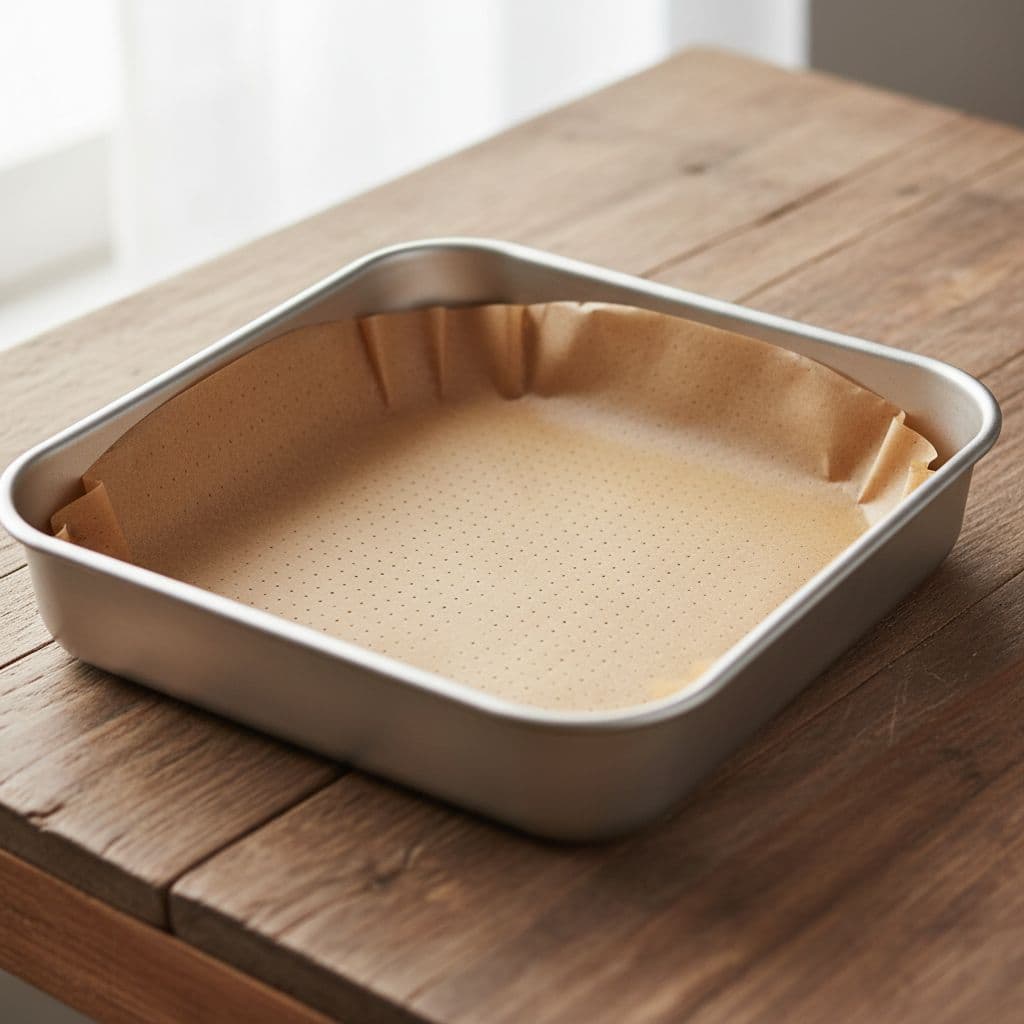
Silicone liners can usually handle oven heat
Silicone liners usually handle higher heat than paper. Many reusable silicone liners are oven-safe for standard baking and roasting, so they’re often a solid option for regular oven use.
Still, you can’t assume every silicone liner is ready for every job. Some brands warn against broiling, toaster oven use, or extra-high heat. Check the label first, because silicone can warp or break down if it goes past its rating.
Paper liners and coated liners need the most caution
This group needs the most care. Some disposable liners are plain parchment, while others use thin paper or grease-resistant coatings that aren’t made for long oven exposure.
If the package doesn’t say oven-safe, don’t guess. Unknown coatings can brown fast, give off odor, or fail on a hot tray. The same goes for liners with no clear brand, no temperature limit, or no material listed.
How to tell if your air fryer liner is safe for the oven
You can usually make a quick call by checking the package, the heat rating, and the kind of cooking you plan to do.
Read more about Air Fryer Vs Oven
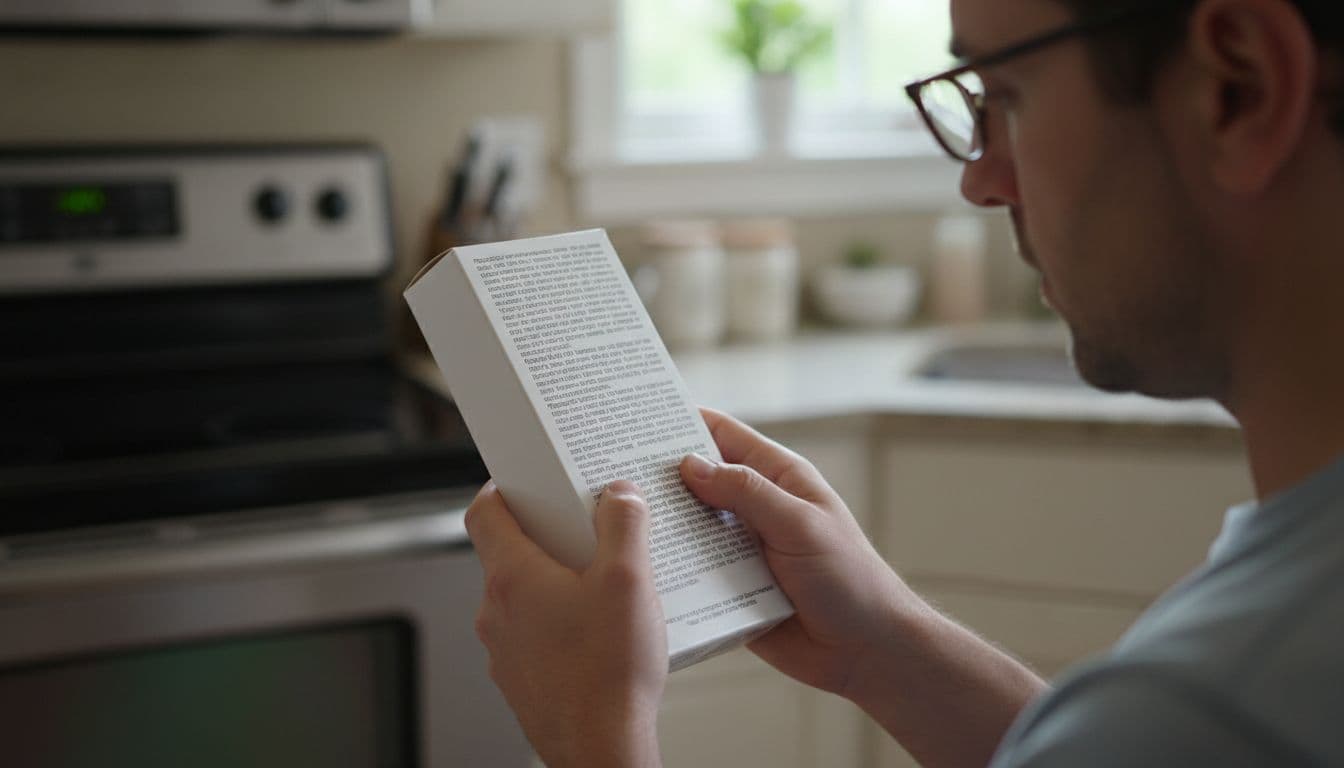
Check the package for temperature limits and oven-safe labels
Start with the back of the package. Look for words like “oven safe,” a clear maximum temperature, or an oven icon. Also check for warnings about flames, broilers, or direct contact with heating elements.
No temperature rating means no safe guess.
A good package also says whether the liner works in a conventional oven, toaster oven, or only in an air fryer basket.
Match the liner to the kind of oven use you need
Baking and moderate roasting are usually the safest uses. The heat is more even, and the liner is less likely to face direct top heat.
Broiling is different. A broiler sends intense heat from above, so a liner that works at 375 F may fail fast under that kind of heat. The same caution applies to toaster ovens, because the elements often sit close to the food.
Watch for signs the liner should not be used
Pay attention before and during cooking. Curling edges, dark browning, smoke, melting, brittle spots, or a strong chemical smell all mean the liner should come out.
Also check the liner before you start. If it’s torn, oily from old use, or misshapen, throw it away. A damaged liner is more likely to shift, burn, or stick to the food.
Safe ways to use air fryer liners in an oven
If your liner is oven approved, a few habits make it safer and help the food cook better.
Keep the liner flat and weighed down with food
Place the liner flat in the pan, then add food so the liner stays put. Loose paper can lift, move, and touch hot metal or heating elements. Use a liner that fits the pan, so hot air can still move around the food.
It also helps to add the liner only when the oven is ready and the food is ready to go. Don’t preheat an empty liner, especially a paper one.
Do not let the liner touch heating elements or open flame
Keep every liner away from heating elements and open flame. That rule matters most under a broiler, inside a toaster oven, and in gas ovens with exposed flame areas.
Direct contact can scorch paper in seconds. Even silicone can degrade when it touches a heat source.
Use the liner only within its heat rating
The printed maximum temperature is the limit, not a goal to test. Going over it can cause smoke, brittleness, melting, or coating failure.
If your recipe needs higher heat, skip the liner and use a bare pan or another approved surface.
When you should skip the liner and use something else
Sometimes the safest move is no liner at all. Skip it for broiling, high-heat roasting, unknown products, and recipes that need full contact with a hot sheet pan. Liners can also block browning when you want crisp vegetables or a better sear on meat.
In those cases, use a standard baking tray, a known oven-safe silicone mat, or foil if the recipe allows it. Foil helps with cleanup, but it isn’t right for every food, especially acidic dishes. When the heat is high or the product is a mystery, the pan itself is usually the safer choice.
Final answer
Air fryer liners can go in the oven, but only sometimes. The liner has to be made for oven heat, and the packaging has to say so.
Check the label, stay under the temperature limit, and keep the liner away from direct heat. If you see smoke, curling, melting, or a strange smell, take it out and switch to a plain pan.
That quick label check is still the simplest way to avoid trouble.